
20 Artists
Yale School
of Art
This catalogue is published on the occasion of an exhibition held at the Yale University Art Gallery, New Haven, from January 29–March 29, 1981.
Contents
- 5Lenders to the exhibition
- 7Preface
- 9The School of Art at Yale: 1950–1970
- 22Illustrations
Lenders to the exhibition
- Syd and Rita Adler
- American Telephone and Telegraph Company
- Richard Anuszkiewicz
- Richard Brown Baker
- Mr. and Mrs. Joel I. Berson
- Leo Castelli Gallery
- Paula Cooper, New York
- Dallas Museum of Fine Arts
- André Emmerich Gallery, New York
- Richard Friedberg
- Mr. and Mrs. Victor W. Ganz
- Nancy Graves
- M. Knoedler & Co., New York
- Kornblee Gallery
- Kronos Collections
- Louis K. Meisel Gallery
- Robert Mangold
- Nancy and Martin Melzer
- Robert Miller Gallery, New York
- Museum of Fine Arts, Boston
- The Museum of Modern Art, New York
- The Pace Gallery, New York
- Pennsylvania Academy of the Fine Arts
- Howardena Pindell
- Private Collection
- Anita and Burton Reiner
- Reynolda House Museum of American Art
- Rose Art Museum, Brandeis University
- Doris and Charles Saatchi, London
- The St. Louis Art Museum
- Robert Slutzky
Preface
This exhibition celebrates the achievement of twenty painters and sculptors who were graduated from the Yale School of Art between 1950 and 1970, two decades which represent a particularly fertile period in the life of a School which has been pre-eminent throughout its long history. Admittedly, twenty other artists from this period—or indeed, from any other 20-year period—might have been chosen with different but equally interesting results.
The artists whose work was selected for this exhibition reflect both the quality of the School’s students as well as provide, almost inadvertently, a survey of the various stylistic currents which have emerged in American art since abstract expressionism. We invited Irving Sandler, Professor of Art History at the State University of New York, Purchase, a noted specialist in recent American art, to choose the twenty artists from a list of several hundred alumni and to write the catalogue essay which investigates the question of how graduate training affects an artist’s career. Mr. Sandler interviewed the twenty artists in an attempt to determine what special ingredients in their training at Yale might have led to the prominence of so many alumni of Yale’s art school. For his major effort and for his provocative and illuminating catalogue essay, we are extremely grateful.
Many individuals contributed time and energy to this undertaking: Richard S. Field, Acting Director of the Art Gallery during the spring of 1980, generously assumed many administrative responsibilities for this show, and Michael Komanecky, assistant to the director, undertook a substantial portion of the necessary correspondence, made arrangements for many of the loans, prepared copy for the printer, and assisted with the installation. Lesley Baier prepared the brief artists’ biographies. Other members of the Yale Art Gallery staff who provided much needed assistance include Ethel Neumann, Rosalie Reed, and Joseph Szaszfai. We are deeply indebted also to Nathan Garland for his handsome design of this catalogue. The exhibition was subsidized in part by a generous grant from the Henry J. Heinz II Charitable and Family Trust.
Alan Shestack, Director
Yale University Art Gallery
Andrew Forge, Dean
Yale School of Art
The School of Art at Yale: 1950–1970 The Collective Reminiscences of Twenty Distinguished Alumni
The School of Art at Yale1 was the most prestigious in America even before Josef Albers began to shape its program in 1950. The present show of paintings and sculptures by twenty alumni is an homage to the school. I chose these particular twenty because I admire their work greatly and because most have achieved considerable recognition by the art conscious public. I have relied on art world opinion as a kind of "objective" corroboration of my own taste, although I recognize that my reading of such opinion is also "subjective." I am aware that my selection reflects this particular moment in history and that my taste and the art world's is changeable. Furthermore, I am certain that were I to be asked to choose this same show a decade from now, I would come up with a somewhat different list.3 Indeed, the number of participants in this show could have been doubled, even tripled with little loss of quality, originality, and vitality. Thus this show must be considered a very partial homage, as many of the invited artists have pointed out to me, protesting the unfairness and misrepresentation of the limitation to twenty. I stress this because other art schools could also muster imposing rosters of twenty alumni. What makes Yale different is the remarkably high percentage of its more than 800 graduates from 1950 to 19702 who have become and remain professional fine artists. In fact, it was with great reluctance that I omitted such artists as Robert Birmelin, Joseph Raffael, Varujan Boghosian, Irving Petlin, Frank Viner, Thomas Bang, Robert Berlind, Harriet Shorr, and Donald Nice. Former students of the late sixties were not represented as fully as they might be in a future show of this kind, many because they are too young in reputation. I think of Jenny Snider, Judith Bernstein, Anthony Robbin, William T. Williams, and Fred Sandback.
Because this show honors Yale's School of Art, I thought it appropriate to devote my essay to what has made it, or more specifically its graduate course of study, renowned. Since the stature of a school is measured by the achievements of its alumni, I aimed to discover what their study at Yale contributed to their artistic accomplishment. My method was simple. First, I identified as accurately as I could all of the curricular and extra-curricular components of a graduate education at Yale. Then I asked the living alumni to evaluate each component and to identify others that I might have missed (and several turned out to be both significant and unexpected to me).4 My purpose was to review the past, but it soon occurred to me that my historical findings might be useful in formulating future graduate art education. After all, Yale was an outstanding school, and I would be examining it through the eyes of many of its most successful alumni, all of whom it turned out looked back on their graduate experience as pivotal in their evolution as artists. If these former students were agreed on what was valuable to them, and they were on many points, what better guide to the training of professional artists?
At first I thought that my problems might be more complex than I anticipated. It seemed to me that the Art School from 1950 to 1970 might be more than one school, perhaps two or even three—Albers-inspired in the fifties, an interim school under several chairpersons from 1958 to 1963, and Tworkov-led until 1969. There turned out to be considerable differences, of course, but to my surprise, the changes from period to period either did not fundamentally affect the components that constituted the art program or contributed in different ways to the same end result.
What were my findings? To begin with, there was the reputation and, for some, the mystique of Yale University. Yale takes itself very seriously and has cultivated and disseminated an image, a self-fulfilling image, of itself as a very special institution, a university with a mission of providing instruction of the highest quality and, as one alumnus put it, "some dumb notion of tradition."5 Moreover, Yale has had a long commitment to the arts, extending back in time to John Trumbull, the best known portraitist of the Revolutionary War. Officially founded in 1869, Yale's art school is the oldest incorporated within a university in the western world. It was a sign of Yale's commitment to art and its demand for excellence that Charles Sawyer, the Dean of the School of Fine Arts and Architecture, appointed Albers as Chairman of the Department of Design. Moreover, it indicated the art school's ability to change with the times, to redefine itself in response to developments in the condition of art. Indeed, the school has been a peculiarly flexible institution. Albers oriented it toward modern art. His modernism was rooted in attitudes associated with the Bauhaus, Constructivism, and Neo-Plasticism. Thus it was old fashioned at a time when Abstract Expressionism was in the vanguard, but Albers kept his students in touch with the more contemporary movement, even though he was not sympathetic to its intentions. Yale would redefine itself again in the sixties when Jack Tworkov was appointed Chairman and William Leffingwell Professor of Painting. He brought the school in line with the New York School, making available Abstract Expressionism and the diverse tendencies which followed.
Albers was primarily responsible for forging the recent reputation of Yale's art school. He was one of the two most influential teachers of modern art in America, if not the world, the other being Hans Hofmann.6 Albers did not achieve recognition as a major painter until the middle sixties, but he had been eminent as a pedagogue for almost three decades. He had taught the preliminary course at the Bauhaus from 1923 to 1933. This had made him an historic figure, and his stature had been enhanced by his teaching at Black Mountain College from 1933 to 1949. Even the mass media reported on his teaching; in 1956, Life featured Albers in a four-page picture story and helped spread the word.7
Because of its fame, Yale's art school attracted an extra quota of the best undergraduates in America (and abroad)—by the sixties, twenty times as many as could be admitted. An added inducement to applicants was the generous number of scholarships and teaching assistantships that Yale had to offer. To further improve the caliber of its students while publicizing itself, Yale after 1951 made good use of its Summer School of Music and Art at Norfolk, Connecticut, which is still active. The summer school offered a program in drawing, painting, printmaking, and photography for undergraduates between their junior and senior years. The students were selected from 30 to 50 colleges nationwide, the names of one or two candidates being submitted by each art department. On the basis of slides sent by the applicants, the Yale faculty picked some thirty-five students. Students paid small registration fees and received free tuition, room and board, and art supplies. It was for them an ideal working situation; several, Brice Marden for example, remembered it as the most formative of their experiences as art students. Norfolk provided the Yale faculty with an opportunity to pre-screen some of the most gifted and serious undergraduates in America. It is no accident that of the twenty alumni in the present show, six attended the school at Norfolk: Chuck Close, Eva Hesse, Nancy Graves, Brice Marden, Robert Mangold, and Stephen Posen.
Given the number of outstanding applicants, it would have been difficult for the art school not to have assembled superior classes. But the faculty and administration would take no chances. During the fifties, Albers made the selections, generally in consultation with Bernard Chaet. Albers was a great recruiter. When he first came to Yale, he approached The Cooper Union, the Rhode Island School of Design, and other professional art schools and by offering higher degrees and scholarships induced many of their best graduates to come to Yale, instantly assembling a first-rate student body. He also kept in contact with his former students who had become art teachers so that he could have the pick of their brightest students.
Albers had a knack for recognizing talent. He was less interested in an applicant's art than in the person, gauging his or her seriousness, intelligence, enthusiasm, and energy. During the sixties, the entire faculty undertook a long, elaborate, serious, and arduous admission process. The professors did this willingly because each knew he or she could shape the student body. It was their "right to vote," as William Conlon said. The process varied somewhat from year to year, but it generally consisted of two or three stages. First, there were three days of screening slides submitted by more than 400 candidates. On the initial showing it took one vote to keep an applicant in the running; on the next round, three votes; then, four or five—until some seventy-five to eighty candidates remained. The survivors were asked to send in works, since slides did not reveal enough. Six weeks later, the faculty met again for three or four days and reviewed the submitted works until they agreed on twelve to fifteen students. Whenever possible, interviews were scheduled.
Toward the end of the admission procedure, when the final few choices had to be made, the deliberations became acrimonious. There were running no-holds-barred arguments, which is not surprising, given the seriousness and the strong convictions of the participating professors. To soothe hurt feelings somewhat, each faculty member could if he or she desired exercise a free choice of one applicant or, as this applicant was called, a "blue chip," but this practice was only an occasional one. Besides, it generally backfired because professors chose applicants whose work resembled their own, and those selected, like Yale students generally, disliked being pigeon-holed stylistically, and avoided it, often perversely.
Despite their disagreements, the professors shared certain expectations. On the whole, they tried to put together balanced classes, representing diverse aesthetics, classes moreover that they could live with and hopefully teach something to. They were also looking for students who seemed on the basis of their work to be professional and intelligent, to possess substance, and to be open to new ideas and experiences. These qualities were difficult to ascertain, of course. For example, the admissions committee looked for evidence of a craft background but rejected slickness. What was the line? What made an applicant's painting or sculpture open- or close-ended? It hurt to be "academic" and helped to work within current tendencies in New York art, this revealing a certain level of knowledge and sophistication, but it was not good to seem too chic. Although there were interviews in the sixties, they did not count as much as they had a decade earlier. Because of the jump in the number of applicants to be seen, they were often omitted. The work rather than the person became the measure. But either way, a high percentage of the students admitted turned out to be ambitious, aggressive, and verbal.
The selection process yielded a student body about as mixed as one could be. Many of the alumni interviewed recalled that the differences in educational background, class and ethnic group, geographical region, personal style, and the like, enriched their experience as students. But more important, the caliber of their classmates challenged them. Most of the entrants had excelled as undergraduate "hotshots" on their own campuses. They brought with them a sense of confidence; they were not prepared to be impressed by their fellow students—but they were, and this made being a student count. At Yale, they had to start afresh, in an unknown environment, to prove themselves again in a way they would not have, had they stayed where they had been. From the start of their graduate schooling, simply by being admitted, they were forced into a posture of competitiveness, much of it verbal. Every idea and belief of theirs would be disputed. (This process of beginning anew may be so important in graduate education that it may be advisable for students to be urged, even required, to work for their MFAs in institutions other than the undergraduate schools they attended.)
Having been admitted to Yale, what was most important from the students' point of view? According to those interviewed, in the fifties, it was first of all the presence of Albers. Whenever I talked to a former student of Albers about him, I was reminded of a remark made by John Andrew Rice who appointed him to teach at Black Mountain College: "If you ever met anybody who has seen a great teacher in action... something happens as soon as you mention his name. Something happens to the person who is talking to the person who's talking about him. You see a vision."8 Albers' genius as a teacher depended less on what he taught than on the example he himself set: his utter devotion to making art and to teaching. Indeed, his seriousness as a teacher inspired his students to be equally serious as students. It also enabled them to make allowances for Albers' faults: his frequent hotheadedness and nastiness to students and his authoritarian posture or his "prussianism" (he called all of his male students and colleagues "boy"). Students had to learn to cope with Albers, and many could not. Those who could found him aloof but sensitive to their individual needs, particularly in knowing when to leave them alone, pat them on the head or kick them in the rear, as he himself put it.
Like most other graduate programs, Yale's was based on individual work done by a student in his or her private or semi-private space. The basic instruction was criticism of ongoing work by resident and visiting faculty. It was in such teaching that Albers excelled. His criticism was generally public; any students who so desired could accompany him. His relationship to students was that of their master; he did the talking and was very blunt in what he said, shaking students up, more often than not. Albers was a great showman: Neil Welliver, Bailey, Richard Anuszkiewicz, and Robert Slutzky recalled that when he was around, it was endless theater, much of it carefully preplanned. Albers also gave occasional private criticisms, during which he closely questioned a student about his or her work.
What impressed students most about Albers was his ability to see paintings with an incredibly disciplined and superfocused eye, as Welliver remarked. This was corroborated strongly by Anuszkiewicz and by Audrey Flack, who did not look back fondly herself on Albers or his painting. Bailey also spoke of Albers' capacity to "read" a picture, to discriminate between a student's desire or intention and his or her accomplishment. Albers insisted that every mark and color be accounted for, and he brought to bear on what he saw a formidable analytic mind. Slutzky, Welliver, and Anuszkiewicz were struck by Albers' sensitivity to the poetry in a student's work and by his knack of finding surprising verbal metaphors for it (he himself wrote poetry). Indeed, if a work "tickled" him, he would accept it, even if it were messy, a quality that he tended to detest.
Albers' practice of scrutinizing student work, of taking it very seriously, has continued at Yale. Richard Friedberg, a student in the middle sixties, remarked that the faculty's attentiveness to the work of students made them feel important, as if they were the flower of the future. It gave rise to a climate of seriousness that engendered more work of growing professionalism and high ambition.
In general, Albers prized rational decision-making. He insisted that students, if they were intelligent, were not free to create whatever they pleased, certainly not anything self-indulgent or sentimental.9 But even more than "Expressionism," Albers decried climbing on fashionable bandwagons, which, in the heyday of Abstract Expressionism, meant Expressionism. When Welliver asked Albers for good advice to students, he answered: "A severe warning. Stay off the bandwagon." Welliver interjected: "Your bandwagon?" Albers responded: "To follow me, follow yourself."10 But Albers was ambivalent; he believed that as an aspiring artist a student should formulate an independent point of view, although at the same time, he wanted to impose his own attitudes.
Although their primary work was independent, students were generally required to take a color course and a drawing course taught by Albers and his assistants. However, the curriculum of each student was tailored to that individual and was negotiable if cause for change could be demonstrated. Albers' teaching was not based on any aesthetic principle, system, theory, or dogma, a point that is often misunderstood.11 Instead, he posed problems in perception which his students were required to solve on the basis of their own individual experiences. The focus was on learning by trial and error, not on the application of theories. In the process, their eyes would be open to visual phenomena—to materials, color, and drawing as independent elements and their properties and operations.12 In the color course, for example, students learned about color by studying color, not ideas about color, and that changed how they saw color. They became conscious of colors in interaction as active, vital forces which, no matter how volatile, could be controlled through the development of perception, knowledge, discipline, and craft. To put it another way, Albers appealed directly to perception. He would demonstrate how colors in interaction operated—right before your eyes. This "training in observation"13 was attractive to many students because they could "measure" their improvement. That is, they could progress step-by-step through Albers' visual-manual exercises. And there was in this development something serious, pure, and disengaged—even virtuous. What they were asked to search for was of an objective nature, but it was not imposed by an outside authority, and it avoided mystification and self-indulgence. However, Albers insisted repeatedly "that a clear mind cannot interfere with true feeling."14
Albers did not consider the investigation of color and drawing to be art (although the color exercises he assigned sometimes resembled his own paintings). At best, it was useful, but only as preparation for art. In fact, Albers believed that art could not be taught, although his aim was to produce artists. Consequently, he urged students to venture beyond problem-solving, beyond knowledge, discipline, and craft—into individual poetry, or to put it another way, to venture beyond seeing into vision.15 He inculcated them with a sense of perpetual quest to transform physical materials into something spiritual, at its most profound, or at least, intuitive or instinctual or felt, which made it art. It must be stressed that Albers' exclusive commitment was to art and not, as often believed, to design.
Albers (as in his own way, Hans Hofmann) avoided both the pitfalls of dogma and permissiveness. He recognized that he could not teach a student how to be an artist but he also believed that he could provide demonstrable analytic tools that might help, since at least they fostered awareness and professionalism. There are in Albers' pedagogy (and in Hofmann's) approaches that no serious instructor of aspiring artists can ignore.
Because Albers valued clear thinking and endless questioning, he encouraged his students to discuss each other's work and aesthetic issues, which he himself raised with urgent concern in his public criticisms. As a result, he created a climate in which dialogue was perpetual and intense. Street Hall, where most graduate students worked, lent itself to interchange (as did the new building opened in 1963). The working spaces were open stalls, public, as it were. Students could not avoid the daily scrutiny and criticism of their pictures and sculptures by their peers and resident and visiting faculty. No one could lock himself or herself away in a studio and emerge at the end of a year or two with a "show," as is the practice in many graduate schools. The kind of interaction students experienced at Yale helped prepare them to function in the art world, to conceptualize diverse aesthetic positions and be able to proselytize for their own.
To enrich the curriculum of the art school and to enhance its reputation and glamour, Albers brought in a part-time faculty composed of distinguished and varied artists whose viewpoints differed from his. Among them were Willem de Kooning, Abraham Rattner, Stuart Davis, Burgoyne Diller, Jose de Rivera, Ad Reinhardt, James Brooks, and Conrad Marca-Relli.16 Occasionally, these visitors would powerfully impress students, as Diller did Slutzky, but on the whole their impact was not as strong as that of Albers. Albers would often denigrate the visitors, or rather the "bandwagons" he associated them with, but he also had a high regard for them and this was noted by his better students. When Welliver asked Albers why he invited Expressionists, he answered: "Anyone with eyes could see that was where the drive was. Gorky, de Kooning, Motherwell. Those early de Koonings, that white on black, such big clouds and rainstreams. He worked so hard on those forms. I still to this day have the greatest respect for those pictures. When I first saw the Pollocks I was really tickled by them... I had never seen that mind before... Kline then became a big one. They were not all alike. They were independent."17
Albers knew that good teaching required the presentation of a variety of attitudes but most of those he called upon were within abstract art. There were obviously limits to what he would entertain. His intention appears to have been to reveal to his students the range of abstract art. But equally significant, Albers invited artists who like him were creating art on the highest level. Students came to recognize that if they wanted to make art, they would have to do it on the plane of Albers and the visiting artists, and like them, at one point exhibit it in the arena where the best, most professional, lively, provocative, and original contemporary art was to be seen in New York City.18 Nevertheless, the Yale art school in the fifties was not as oriented to New York as in the sixties.
Albers retired in 1958 and after an interim period, in 1963, Jack Tworkov was appointed Chairman of the Art Department. Like Albers, Tworkov was a practicing artist of considerable reputation who was also devoted to teaching. He made the school responsive as never before to the New York art world.19 Tworkov recognized that this art world in the sixties far more than in the fifties had become a larger and more visible, cohesive, dynamic, and commanding force. Indeed, art featured in leading New York galleries and museums monopolized attention at home and abroad—and at Yale—to the degree that one former student I interviewed remarked: what else was there?
In keeping with the diversity of New York art in the sixties, Tworkov changed Yale's orientation. During the fifties, before Abstract Expressionism had become established and had been challenged by competing tendencies, it was feasible for the school to formulate a single, presumably basic pedagogical approach. Indeed, during the tenure of Albers, most of the teachers, such as Welliver, Engman, Bailey, and Sewell Sillman, had been trained by him and shared a common aim: to develop perception. In the sixties, with its rapid succession and proliferation of "isms," a single goal would not do. Sensitive to this changed condition of art, Tworkov turned Yale into an arena of competing ideas and attitudes somewhat like New York. The goal would be to foster professionalism, at least, and, at best, by offering a rich variety of artistic options, to encourage students to evolve points of view that might change the course of art or contribute radically to it. Tworkov's transformation of the art school was facilitated when Welliver, Engman, and Bailey left (Bailey later returned) and were replaced by artists of divergent or antithetical pedagogical approaches, half of whom lived in New York and commuted to New Haven (among them Tworkov himself). Adding to the intellectual ferment that Tworkov desired was the growing number of visiting artists from New York who were invited to teach for varying periods. Moreover, students made frequent trips to New York museums and galleries, keeping abreast of developments. Indeed, so many conflicting aesthetics were presented that no one could dominate. As Marden remarked: we were kept off-balance and confused; we weren't being taught some way to paint.
By temperament and by philosophy, Tworkov was well suited to transform the art school. He was a dedicated artist who did not allow his commitment to Abstract Expressionism to curb his intellectual curiosity. This made him an excellent teacher, sympathetic to students. Tworkov was interested in varied figures, such as Robert Rauschenberg and Jasper Johns, who, inspired by John Cage, aimed to break barriers between art and life; the PULSA group, which experimented with programmed environments; and Bernard Rudofsky, who studied the "architecture" of non-architects. Tworkov saw to it that dissimilar positions, much as he often challenged them, were represented by the permanent and visiting faculty and, because of his role in the admission process, the student body.
There were limits to Tworkov's and Yale's catholicity, however. No matter what occurred in New York art, Yale remained devoted to painting and sculpture and their traditions. The notion that painting was dead or even in crisis, a notion which was debated vigorously in New York during the late sixties, was largely ignored at Yale. What was not painting was not a serious issue. This was a common ground between the faculty and the student body. Conlon reported that Tworkov spoke of the need to keep the tradition of painting alive and fresh, to at once conserve and rejuvenate it. And belief in the viability and integrity of object-making constituted the strength of the art school. The models that students emulated—indeed, were overwhelmed by—were old and modern masters, including the first generation Abstract Expressionists. Aspiring to equal and even to surpass such exemplars rather than the latest art world sensation contributed to the ambition and seriousness of students. And yet, new art, art at the cutting edge of art, was avidly debated and exerted a constant pressure.
Offered a variety of aesthetic options, students had to choose for themselves and take greater responsibility for their own development. During the sixties, students looked more to each other for their education than to permanent or visiting faculty. The process of learning from themselves was intensified during the first three years of the decade because the school was in transition—in search of a new chairperson of art, its acting heads replaced almost yearly, its faculty changing and moreover, squabbling, and everyone awaiting the completion of a new building. From 1963 to 1969, student interaction was abetted by the role played by Tworkov as a teacher and chairman, that of a passive moderator, a role in contrast to that of Albers who projected himself assertively as the commanding authority. Albers tended to treat students as students, Tworkov, as beginning artists.
Student interaction at Yale was marked by extreme competitiveness, intensified by colossal ambition and drive and the seriousness with which students took themselves. As I remarked, students were competitive even before they entered Yale; the very admissions process fostered rivalry; they knew that only one out of approximately twenty applicants were admitted. And competition was intense from the start; students newly arrived in an unfamiliar environment so "elitist" that it could not but impress them were driven to prove themselves.20
The rivalry among students was of a special kind, at once fierce and supportive, so supportive that lifelong friendships were formed.21 No matter how abusive students might be with their classmates one day, they were strong enough in their egos and cared enough to continue the dialogue the next. Communication rarely broke down; the caring was too strong. Besides, there was a great deal of socializing, and students could relax in each other's company. Serra summed it up when he said that peer criticism was seen as healthy; no one ever lost anything.
The competitiveness promoted work. Work was the proof of seriousness and it permitted students to enter into a verbal discourse with other serious colleagues. The dialogue was also competitive, since each student was pressed by his or her peers to conceptualize and justify what he or she was painting and to question what everyone else was doing. Students at Yale learned how to perform verbally, to structure their thoughts and articulate them. Just as in the Albers period, sixties students (and faculty) rejected the notion of the artist as an inspired illiterate, a notion commonly advanced in Abstract Expressionist circles. Engaging in aesthetic discourse was an unwritten requirement, but students did recognize the pitfalls of artspeak, that one could talk a better painting than paint it and that one could use or rather abuse—talk for careerist purposes by striking a polemical pose to attract attention.
Exacerbating competitiveness were the formal reviews of student work which were required in the sixties. Toward the end of every semester, each student's work was examined by the entire faculty with the student body looking on. Students were placed in a confrontational situation, required not only to reveal their work but to defend it verbally. The justification for these often brutal reviews was that they would be the last occasions during which aspiring artists would be privileged to receive a totally honest evaluation of their work. Besides, it was preparation for New York, which, as Andrew Forge remarked, tends to conduct its polemics in a public and confrontational manner.
Competitiveness also provoked students to extend themselves beyond what they already knew and could achieve. Janet Fish remarked that her fellow students recognized the difference between "work and search" and "producing a product." Risking was valued above "finishing." Students were challenged by their classmates to account for whatever seemed derived from any other art. The aim was not to discover solutions to another artist's questions but to formulate one's own, since in this way, an independent point of view could be developed. Thus peer pressure yielded the same challenge that Albers had issued in the fifties. Albers had also said that for him "education is not first giving answers but giving questions."22
Close recalled that the brighter students in his class strove to create problems rather than solve them. He said that students quickly learn what art looks like and how to make it. The trouble is that it looks like someone else's or it does not look like art. When students begin to want their work to look like their own, they need to formulate a personal problem and search for a personal solution. Then, because there are no models to follow, they get in trouble and, Close said, it is important that they should. He stressed that the need was for students to back themselves into a corner not to find a niche. And because the artists in this show did, they evolved a rich diversity of styles, so much so that it can seem surprising that they attended the same school.
After Albers' retirement, his courses in color, drawing, and design, now taught by his former students, remained at the core of the curriculum, particularly on the undergraduate level. But without Albers' charisma, the influence of his foundation program waned on the graduate level. Sixties students, who tended to be more interested in Abstract Expressionism and what followed, or who desired to concentrate their energies in other areas, had the faculty waive required courses in which they were not interested or they simply cut them without penalty.23 Newly appointed professors introduced fresh approaches, but the teaching staff as a whole did not stimulate students as much as their interactions with their classmates had.
Yet each student was beholden to one or two regular instructors (including those visiting critics who taught for at least one day a week), frequently one that was supportive and one that was a gadfly.24 For example, Marden spoke glowingly of Alex Katz and Esteban Vicente, Robert Mangold of Katz and Jon Schueler, and Sylvia Mangold, of Chaet and William Bailey. Janet Fish singled out Katz. Serra called Louis Finkelstein a devoted educator. Graves was also impressed by Finkelstein and by Bailey as well. Al Held made a strong impact on Posen, Conlon, and Friedberg. Downes was inspired by Welliver, Katz, and Held, but recalled vividly a lecture by Fairfield Porter which had a lasting effect on him. What students learned from their teachers differed from individual to individual, but all claimed to have acquired a sense of professionalism. The alumni also lauded the faculty for what one called benign neglect, another, humility, for knowing when to leave students alone, or if not that, for staying in the background yet making their presence known (as Albers had earlier).
On the whole, sixties students found the visiting critics more useful to them than the permanent faculty. As I remarked, in order to orient the art school to the New York art world and turn it into an arena of artistic ideas and attitudes, Tworkov expanded the visiting critics program far beyond what it had been in the Albers years. He also made the program more flexible, allowing the visitors to teach for a day a week indefinitely, for six-week periods, or for one day. They could lecture and/or give criticism to students individually or, as was more common, with their classmates present. Indeed, during Tworkov's tenure, students were exposed to practicing artists from New York in greater numbers than any other art school I know of. There were too many visiting artists for me to list in entirety; among the names that were mentioned by the alumni most often were Isabel Bishop, Giorgio Cavallon, Jim Dine, Helen Frankenthaler, Philip Guston, Robert Morris, Philip Pearlstein, Fairfield Porter, Robert Rauschenberg, James Rosenquist, and Frank Stella.
What made the visiting critics attractive to students was that they were working professionals one read about in the art magazines who had chosen the art world over academia. But because of the large number, each of whom had a different stance and approach, the visitors were demythologized, and thus brought within the reach of students. Consequently, they appeared as artists who were successful enough to be fulfilled in their vocation and vulnerable at the same time. Moreover, the visiting critics seemed seriously interested in what students were doing and in their artistic problems. The criticism tended to be non-academic, free and blunt; it aimed to provoke students rather than coddle them. But it was generally positive; the artists liked the students because of their seriousness, liveliness, and receptivity. The visitors were also touched because students would prepare for them by looking up catalogues, articles, and reviews of their work in the art library. The students did not mean to flatter but to learn. Alex Katz said that he was amazed at how intellectually developed the students were, how knowledgeable they were in art history, criticism, and live art, and how assiduously they would follow up whatever was suggested.
The visiting critics and regular faculty who lived in New York not only criticized the work of students but made them aware of what was happening in the art world, prompting them to make frequent visits to New York galleries and museums. The New York artists also provided role models. Students learned from what it meant to be a professional, to live in New York and make art, and to function within the art world—what it was really like. They developed a familiarity with this world—its structures and strategies an insider feeling. This gave them the confidence to think of coming to New York. Indeed, as Posen remarked: there was nowhere else to be an artist than New York.25
Because Yale had been turned into an arena of competing aesthetics, it became a kind of mini-New York, a preparation for the real world, a stopping-off point on the way, or a training in survival. Students joked about New York being an extension of Yale. But this quip had its serious side, for students were sincerely convinced that Yale was a special place whose graduates, namely they, would be the artists of the next generation. This double sense of where it was "at" was probably stronger than at any other school I know of.
The concern with where it was "at" also extended to art. Students debated about what it meant to be in the mainstream, to extend the limits of art, to change the course of art by connecting with the most advanced ideas of the moment. The ambition was to formulate aesthetic issues at this cutting edge so that one could venture beyond. One aimed to discover a personal point of view or sense of identity but that was conditioned by one's prediction of the next move, which became a kind of wager with history. If one bet right, the art world would pay attention; connections to galleries, museums, art magazines, etc., would follow.26
By the middle sixties, most students committed to becoming artists assumed that they would enter the New York art world, either immediately upon graduation or after a year or so to distance themselves from art school. The transition from New Haven to New York was an easy one, because as Close said, at Yale, we were already in the art world in a sense. Several sixties alumni believed that Yale's most useful function was as a kind of half-way house. In this their attitude differed from graduates in the fifties. Former students of Albers who had decided to be artists expected to exhibit in New York but only after they had matured elsewhere and had become strong enough to withstand the temptations of its fashionable bandwagons. During the Tworkov years, students were encouraged to develop as artists in New York, to experience the ferment of ideas and exhibit their work while young.
Pursuing a career in New York had a particular meaning to aspiring artists in the sixties. Success depended on the recognition of critics, curators, and other professionals in the art world. No one expected to make much money, not for a long time, if ever. Few of the visiting artists seemed particularly rich. Besides, making money and difficult art were seen as incompatable. Success might come, as it did for such heroes of the students as de Kooning, Kline or Albers, but these masters continued to remain "pure." The aspiration of Yale students was to create important art, indeed, great art, for they were idealistic enough to believe in the possibility. The standard was the quality of the product. The wherewithal to survive as an artist would derive from odd jobs.
The ability of Yale students to appraise their career possibilities realistically made it easier for them to succeed, since it alleviated the debilitating paranoia which is the occupational disease of artists. Paranoia is unavoidable, because there is no accounting for their relative success or failure, but Yale graduates were too knowledgeable to believe that the New York art world was a gigantic conspiracy aimed primarily or exclusively at keeping them out. As Posen said, and he spoke for his fellow students: I believed that if I made better paintings than anyone else, a gallery would have to take me on no matter what I was otherwise. The work is all that counts.
But particularly in the late sixties, Yale students were also aware that their condition was different than that of de Kooning, Kline, and most of the older generation. Until well into the fifties, New York School artists could hope for little more than the recognition of their peers. The following decade was a much more propitious time to enter the art world. There was an enormous expansion of the art market and college art programs, and it became possible as never before to have a career as an artist or artist-teacher, the taking of an MFA becoming the first step in establishing professionalism.
Other curricular and extracurricular activities at Yale were stimulating to art students. The university at large was capable of fulfilling their every intellectual and cultural need. Art students could enroll in any course given at Yale, and they took many to good advantage. The alumni spoke highly of the art history courses, particularly those taught by Charles Seymour, Egbert Haverkamp-Begemann, George Kubler, and George Heard Hamilton. Moreover, they attended lectures, panels, debates, concerts, plays, and most frequently, films. They also became friendly with students in other disciplines, primarily in architecture and art history.
Most of the students stressed how useful the art library within the art school was to them. They avidly read art books and scrutinized reproductions and slides and followed the art magazines. The collection of old and current catalogues was of special interest. Students also frequented the Yale Art Gallery where they could study original works of art.
Great scholars who taught at Yale remain vivid in the memories of many alumni. For example, a quarter of a century after they were graduated, both Welliver and Slutzky rattled off the names of a dozen distinguished philosophers, psychiatrists, physicists, and other professors who had inspired them.27 Because what a university has to offer can be so vital to students, graduate art schools have an advantage over other kinds of professional art schools, for example, Hans Hofmann's.
The richness and liveliness of Yale's intellectual and cultural life enabled students to turn in on the campus as a self-sufficient enclave, as Slutzky and Sylvia Mangold did for long periods. But they could also turn out, as Anuszkiewicz and Robert Mangold did, looking more to New York, which was only seventy-five miles away, less than two hours by train. Thus, Yale students were peculiarly positioned to take advantage of a great university and the center of global art. Other graduate schools less ideally situated have compensated by making intensive use of recently expanded national networks for the dissemination of art information, including the circulation of artists and traveling exhibitions around the country and of ever-growing numbers of art publications, films, audio and video tapes, and the like.
The most surprising and provoking finding in my study of the School of Art at Yale was that a disproportionately large number of the alumni I selected were classmates in two periods, one around 1954-55 and the other, 1963-64. Fellow students in the earlier period were Anuszkiewicz, Bailey, Engman, Slutzky, and Welliver, and in the later period, Close, Downes, Fish, Graves, Posen, and Serra. I cannot account for these concentrations of very talented individuals. Either it was a random, lucky selection or there was some special touch or mix that eludes me. The former students, both in and out of the two groups, were generally agreed on the relative merits of the curricular and extracurricular components, so my findings stand, but those within the special groups have added an interesting gloss.
The students in the two groups that I selected for this show tended to single each other out. Engman, Slutzky, and Welliver were close friends, as were Close, Fish, Graves, Downes, Posen, and Serra. They were obviously attracted by each other's talent and capacity for work but also by their different geographic origins, backgrounds, education, and interests, all of which served to broaden their experience and discourse. Welliver remarked on his research into perceptual psychology, on Slutzky's investigation of de Stijl, and Engman's occupation with craft. Posen said of his group that everyone had something of his or her own to contribute. He had come from a studio background as had Close but not Downes, Fish, Graves, and Serra.
The interaction of Close, Graves, Downes, Posen, and Serra, and five other classmates, Michael Economos, Daniel Gorski, William Hochhausen, Kent Floeter, and Donald Nice, was intensified, because they were sent to work in a brownstone on Crown Street apart from the rest of the school.28 Overcrowding at Street Hall and the new school building was the cause of the move. Only students in their last year were eligible, but why was this particular ten chosen, and by whom? The answer is not clear. Among the reasons they themselves gave was that they were the best art students; seemed able to work independently; were working on a large scale; disliked the new building the most; and were "trouble-makers." The consensus was that they chose themselves with faculty acquiescence.
Being together in the Crown Street brownstone—possessing their own turf, so to speak—gave rise to a spirit of community, as Close remarked, a sense of cohesion. Posen said: we felt very privileged; we thought of ourselves as an elite. What he and his classmates recalled most vividly was the positively charged energy they generated and the prodigious amount of work they stimulated each other to do. It was as if they had to demonstrate their superiority to everyone else and each other by working harder than they had before. The work regimen imposed by student on fellow student—the consciousness of the value of time—was rarely lost in later life. Posen said that at Yale he learned that excited people could give off tremendous energies and just how tremendous they could be. After graduation, he recognized that the energy was within himself, and he could regenerate it at will on the same level as he had at Yale.
The geographic isolation of Crown Street was also important, as Serra recalled, because students were outside of the confines of the art school while still students, half in school, half in the real world.
Yet the students who graduated in 1964 did not go to New York immediately, although they expected to relatively soon. Graves, Posen, Close, and Serra received grants to go abroad. In retrospect, they believed that the year in Europe was useful. It kept options open and provided time for further development. As Serra said, it enabled them to work themselves out of being students. In so doing, it made them aware of the shortcomings of their student work and of the need for additional growth before showing. Close and Graves also remarked that during the extra year, they built up a reluctance to "go public." It is noteworthy that when these artists did exhibit in New York, their work did not resemble that which they had made at Yale. (It should also be noted that the Crown Street group entered New York at a propitious historic moment. The movements of the sixties were established and losing their hold. The art world was opening up and prepared to receive more personal, individual styles.)
The interaction between the Yale milieu and the individual alumni in this show who attended the art school in the periods 1954-55 and 1963-64 is best summed up as follows. The students contributed talent, intelligence, ambition, and drive. And when such students are brought together and charge each other positively, they each generate greater energies than each would have if alone. Yale provided a special place where superior students were likely to meet and an environment in which they were stimulated to perform on the highest level. Thus the students intensified what Yale had to offer and Yale intensified what the students had to offer; it is a simple conclusion but one that best accounts for what happened.
At the beginning of this essay, I stated that if the alumni I interviewed could agree on what was valuable in their art education at Yale, then it might prove a guide to the training of professional artists or, at least, provide the basis for a review of existing practices. Because of the pluralistic state of art today, it seems to me that the sixties at Yale are a better model than the fifties. To sum up my finding: above all, special attention must be paid to the admission procedure, to upgrading the quality of entrants and obtaining a diverse student body.
A climate of high seriousness must be created. Thus, student work should be treated with great respect and criticized often in public, that is, with other students present, as well as in private. Indeed, students should be encouraged to gather frequently and, if possible, to work together or in close proximity. Positive student interaction can foster work—even help create work habits and provoke perpetual questioning. Students should be urged to talk about their art to faculty and to each other. The ability to think and articulate clearly about artistic issues should be cultivated. Students should be exposed to a variety of aesthetic ideas and attitudes.
The more practicing artists that are invited as visiting critics the better, and they should be asked to be completely candid in their evaluation of student work. A readily accessible library of art books, reproductions, and slides, art magazines, and catalogues is very useful. As much information about the past and present art as possible should be made available to students. I have also come to believe that the university or college, because of the intellectual and cultural resources that it can offer, is the best setting for the training of professional artists.
The criteria for all that occurs in art school should be whether it contributes to the creation of art on the highest level. On the testimony of the art in this show, Yale has.
Footnotes
- The Yale University School of Art and Architecture was divided into two schools in 1972. Before that year, both schools were more or less independent with their own chairpersons who were accountable to the same dean. It is also noteworthy that the School of Art at Yale was primarily a school of painting. The leading teachers were painters and painting students far outnumbered sculpture students. Yale's emphasis on painting reflected that of the art world of the time.
- All of the participants in this show were graduated from the School of Art at Yale from 1950 to 1970. Seventeen received terminal degrees of Masters of Fine Arts and three, Bachelors of Fine Arts. Until the middle sixties, the school enrolled undergraduates and graduates who took the same courses and participated together in other curricular and extracurricular activities. The school also enrolled BFA candidates with BA degrees and little formal art training, for example, Nancy Graves, Richard Serra, Jennifer Bartlett, Janet Fish, and Richard Friedberg and advanced art students among them Audrey Flack, Robert Slutzky, William Bailey, Eva Hesse, and Robert Mangold, who held three-year certificates from non-degree conferring art schools such as The Cooper Union. A student with a BFA could earn a MFA in two years. Other students remained an extra year to earn a BFA, those with BAs required to take studio courses, those with certificates, humanities courses.
- There are various kinds of success, and they do not always coincide. Most significant in my opinion is an individual artist's satisfaction with his or her own artistic growth, which enables him or her to continue and fulfill himself or herself as an artist. The criteria for success that I am using in this essay are in some measure external to the artist; they are based on gallery and museum recognition, critical acclaim, and the like. I am aware that such success is sometimes fleeting. An artist can achieve recognition early and soon be forgotten or can be acclaimed late in life after decades of neglect. My selection then is of this moment and must be seen in this historic context.
- The interviews with individual former students were taped. Each averaged an hour and a half. Comments in this essay attributed to alumni were culled from the tapes. I also interviewed art school graduates not included in the show, Robert Gray and John Cohen; Professors Bernard Chaet and Al Held; former Professors Louis Finkelstein and Alex Katz; and Dean Andrew Forge.
- Louis Finkelstein has speculated that Yale as an institution may be so unique, so untypical, as to call into question a basic premise of my investigation, namely, that it can be used as an example.
- A comparison of the teaching approaches and practices of Albers and Hofmann would yield useful information about the training of professional artists, but this topic is too complex to be dealt with in this essay. Incidentally, Albers and Hofmann were antipathetic to each other, although what and how they taught may be closer than is commonly believed. One difference in their attitudes was Albers' insistence that the college or university was the best milieu for the training of artists. Josef Albers, in Search Versus Re-Search: Three Lectures by Josef Albers at Trinity College, April 1965 (Hartford, Connecticut: Trinity College Press, 1969), p. 15, wrote that "the integration of both general education and art education constitutes comprehensive education."
- "Optical Tricks Train Yale Artists," Life, March 26, 1956.
- Martin Duberman, Black Mountain: An Exploration in Community (New York: E.P. Dutton & Co., 1972), p. 56.
- Albers, in Search Versus Re-Search, p. 10, wrote: "I feel unable to accept self-expression either as the beginning of art studies or as the final aim of any art."
- Neil Welliver, "Albers on Albers," Art News, January, 1966, p. 69.
- For the best statement of Albers' teaching aims and methods, see Search Versus Re-Search.
- Albers, in Search Versus Re-Search, p. 11, wrote: "When we arrived at Black Mountain College one of the boys asked me what I planned to teach. 'To open eyes' was my answer and—my first educational sentence in English."
- Ibid., p. 10.
- Ibid., p. 10.
- Ibid., p. 17.
- Albers, in Search Versus Re-Search, p. 14, wrote "Development of active, productive students depends on active, productive teachers. This is to remind us that the example, the indirect and unobvious influence, is the strongest means of education."
- Welliver, "Albers on Albers," p. 51.
- Students of Albers received ambivalent readings about New York from him. Indeed, he had something of a love-hate relationship with the city. He aimed to succeed in New York but was an outsider geographically, living as he did in New Haven, and aesthetically, since he was not an Abstract Expressionist. Moreover, in the fifties, his stature as an artist was not yet recognized in New York—and he apparently resented that.
- The process began somewhat earlier, when Louis Finkelstein was head of painting.
- Students also competed for scholarships and teaching assistantships.
- Student interaction was so intense in the sixties that six of the alumni in this show were married while at Yale or soon after graduation.
- Duberman, Black Mountain, p. 65.
- Albers' influence lessened after Welliver, Engman, and Bailey left Yale. His ideas were rejected by most sixties students but nonetheless may have had an unconscious influence. The anti-romantic, factual nature of many of the works in this exhibition and their modular organization may have been a delayed reaction to the visual material presented by Albers-inspired teachers.
- Students with little previous art training prior to entering Yale found the formal courses in drawing, color, and design more useful than those with BFAs and three-year certificates.
- Posen's attitude obtained for the sixties. It may have begun to change in the seventies.
- Yale students on the whole were too knowledgeable to think that they might "make it" by cultivating connections in the art world and too ambitious to bother. They tended to be too professional to indulge in careerist ploys.
- Among the figures recalled by Welliver and Slutzky were Brand Blanchard, T.M. Greene, John Silber, and Paul Weiss in philosophy; Horace Taft in physics; Joseph Goldstein in law; Albert J. Solnit in child development; Seymour Lustman in psychiatry; Paul Hindemith in music; and Louis Kahn, Buckminster Fuller, Frederick Kiesler, and Philip Johnson in architecture.
- The year before, Mangold and Marden, among others, worked in the Crown Street building.
Illustrations
Richard Anuszkiewicz

Spectral Complementaries IV, 1979
Acrylic on canvas
72" x 108"
Collection of Syd and Rita Adler

Royal Red, 1978
Acrylic on canvas
60" x 60"
Collection of the Artist
Born in Erie, Pennsylvania on 23 May 1930, Richard Anuszkiewicz earned an M.F.A. degree from Yale in 1955. In the same year, his first one-man exhibition was arranged by the Butler Institute of American Art in Youngstown, Ohio. Anuszkiewicz has had one-man shows at the Cleveland Museum of Art in 1966, the La Jolla Museum of Contemporary Art in 1976, the Columbus Gallery of Fine Arts in 1977 and the Wichita Art Museum in 1978. Most recently, the Alex Rosenberg Gallery in New York held an exhibition of his work in 1979.
William Bailey
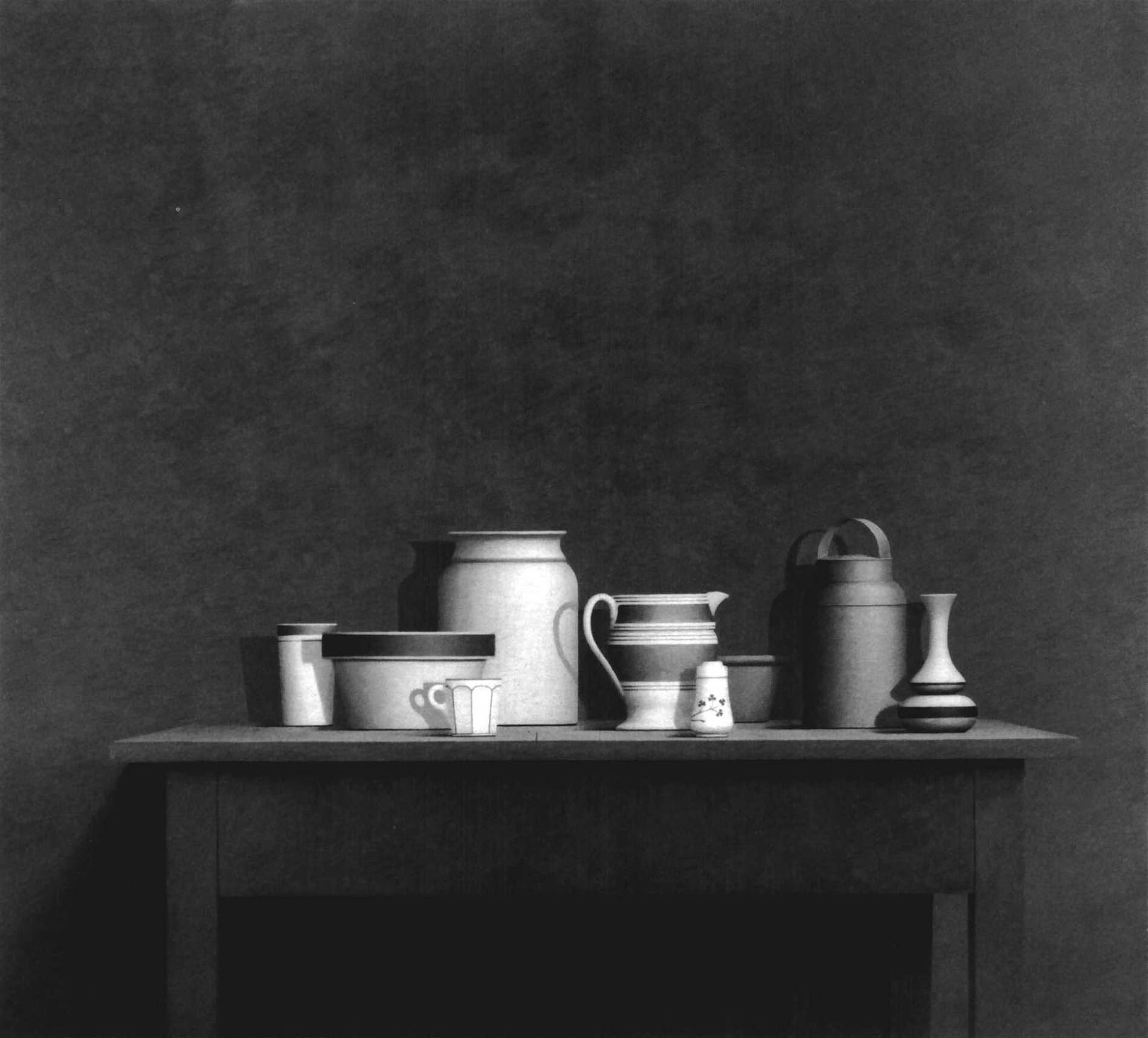
Large Umbrian Still Life, 1979
Oil on canvas
54 5/16" x 60 1/4"
The St. Louis Art Museum, Purchase
Funds given by Barney A. Ebsworth
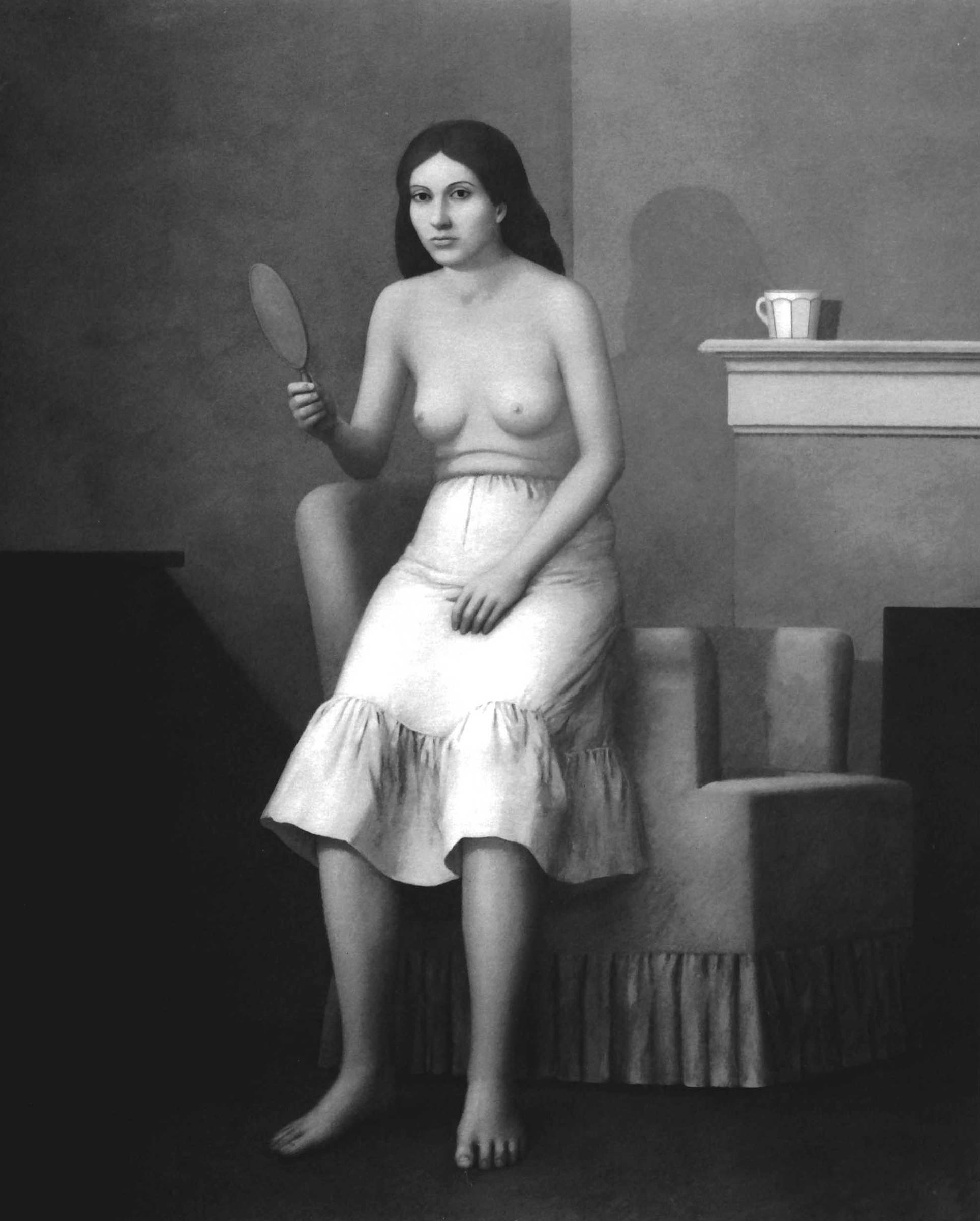
Agostina, 1978
Oil on canvas
63 3/4" x 51 1/2"
Kronos Collections
William Bailey was born on 17 November 1930 in Council Bluffs, Iowa. In 1957, he was awarded an M.F.A. degree from Yale, where he had earned his B.F.A. degree two years earlier. Bailey’s first one-man exhibition was held in 1956 at the University of Vermont’s Robert Hull Fleming Museum. Since that time, he has exhibited individually at the Kansas City Art Institute in 1967, the Galleria Il Fante di Spade in Rome in 1973 and at New York’s Barbara Fendrick Gallery and Robert Schoelkopf Gallery in 1979.
Jennifer Bartlett

Squaring: 2; 4; 16; 256; 65,536, 1973–74
Enamel, silkscreen, baked enamel on steel
77" x 116"
Collection: Paula Cooper, New York
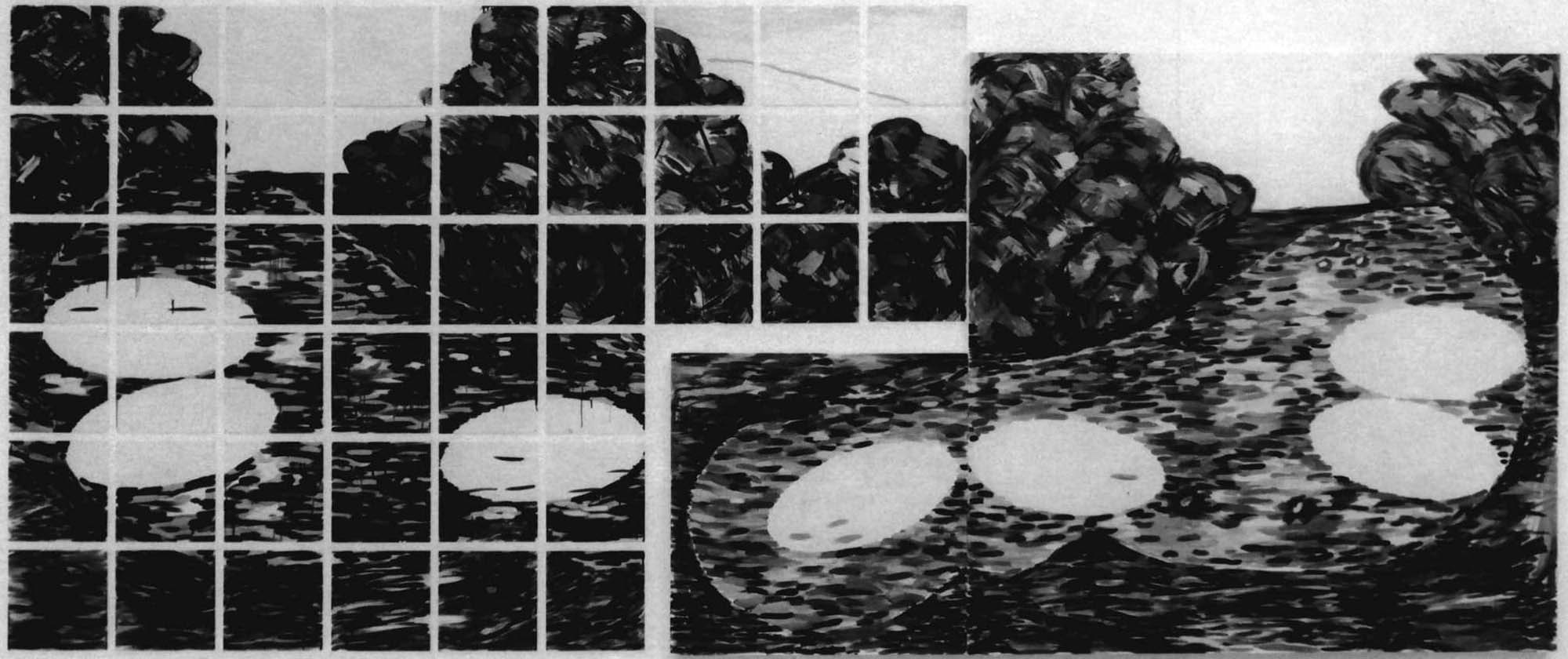
At the Lake, 1979
Enamel, silkscreen grid and baked enamel
on steel plates; oil on canvas
77" x 188"
Doris and Charles Saatchi, London
Jennifer Bartlett was born on 14 March 1941 in Long Beach, California. She earned her B.F.A. and M.F.A. degrees from Yale in 1964 and 1965, respectively. Mills College, where she had been an undergraduate, gave Bartlett her first one-woman exhibition in 1963. She has since had important individual exhibitions at the Wadsworth Atheneum in 1977, the San Francisco Museum of Modern Art and the Baltimore Museum of Art in 1978, and the Paula Cooper Gallery in New York in 1979. Bartlett’s latest one-woman show was held at Tokyo’s Galerie Mukai in 1980.
Jonathan Borofsky
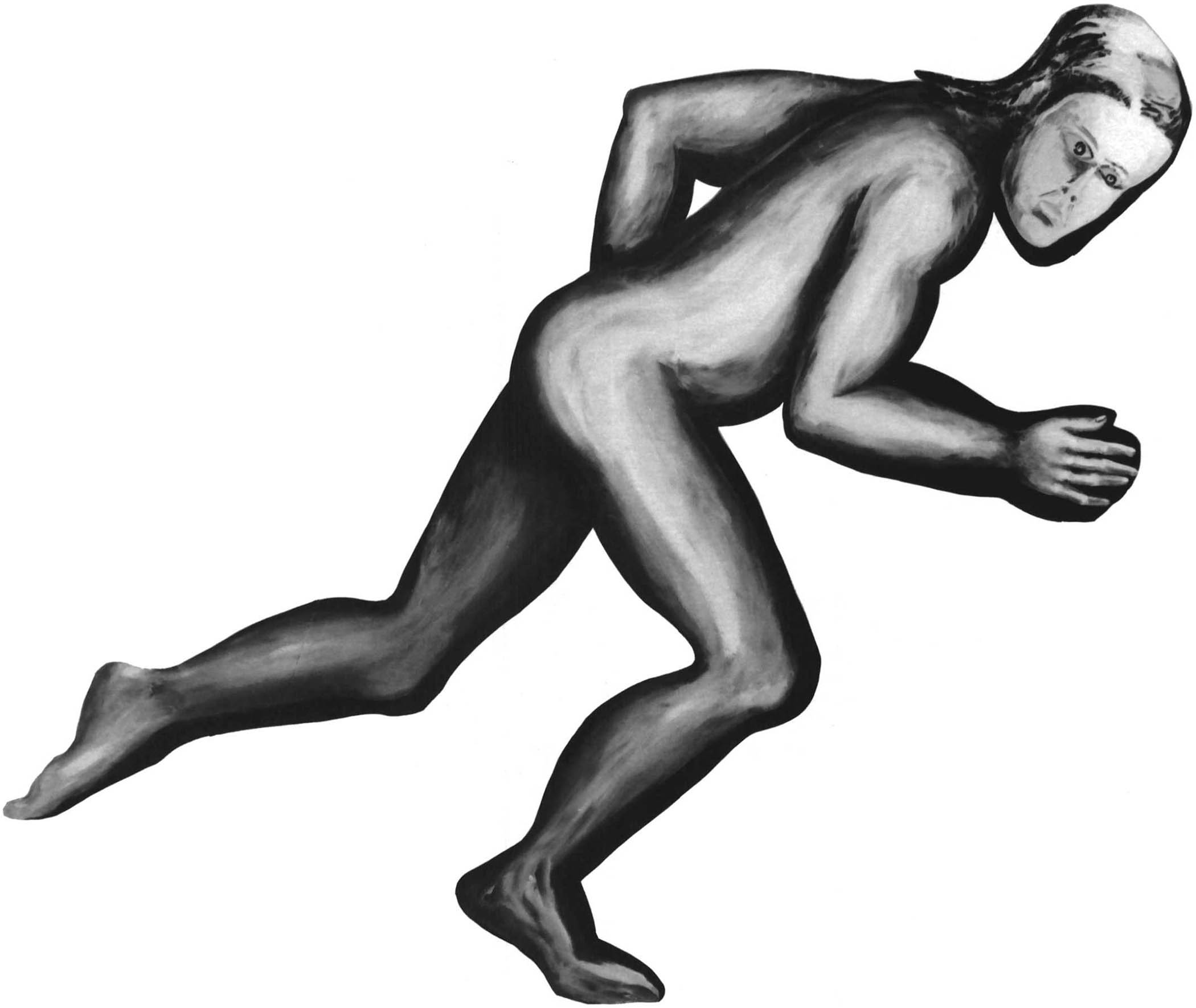
Running Man at 2,559,701, 1978–79
Acrylic on plywood
89 1/2" x 110 1/2"
Doris and Charles Saatchi, London
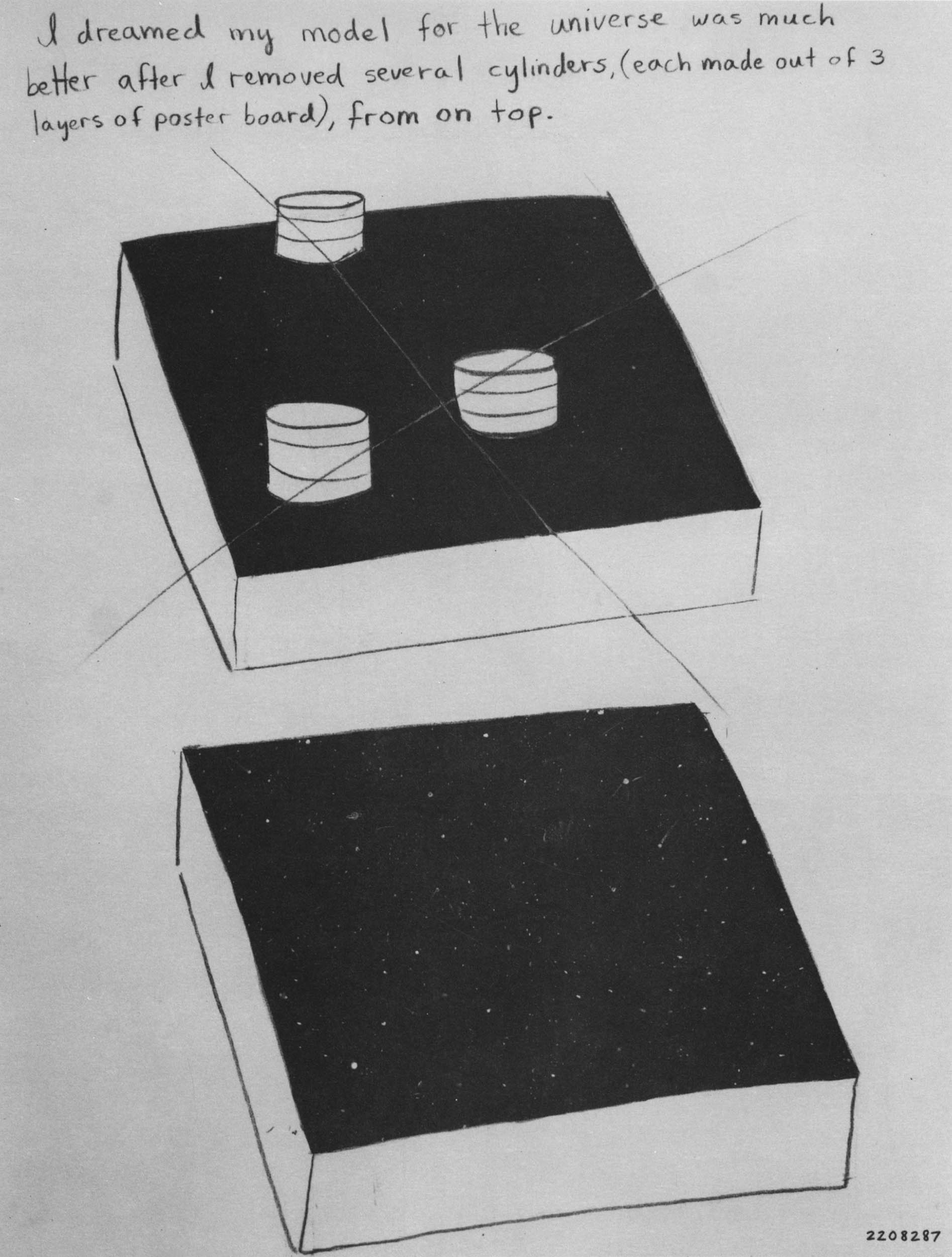
I dreamed my model for the universe was much better… at 2,208,287, 1973
Charcoal and acrylic on canvas
66" x 50"
Collection: Paula Cooper, New York
Born in Boston in 1942, Jon Borofsky received an M.F.A. degree from Yale in 1966. Since his initial one-man exhibition at the Paula Cooper Gallery in New York in 1975, he has exhibited independently at the Wadsworth Atheneum in 1976 and in the Projects Gallery of New York’s Museum of Modern Art in 1978. Borofsky’s latest one-man exhibition was held at the Portland Center for the Visual Arts in 1979.
Chuck Close
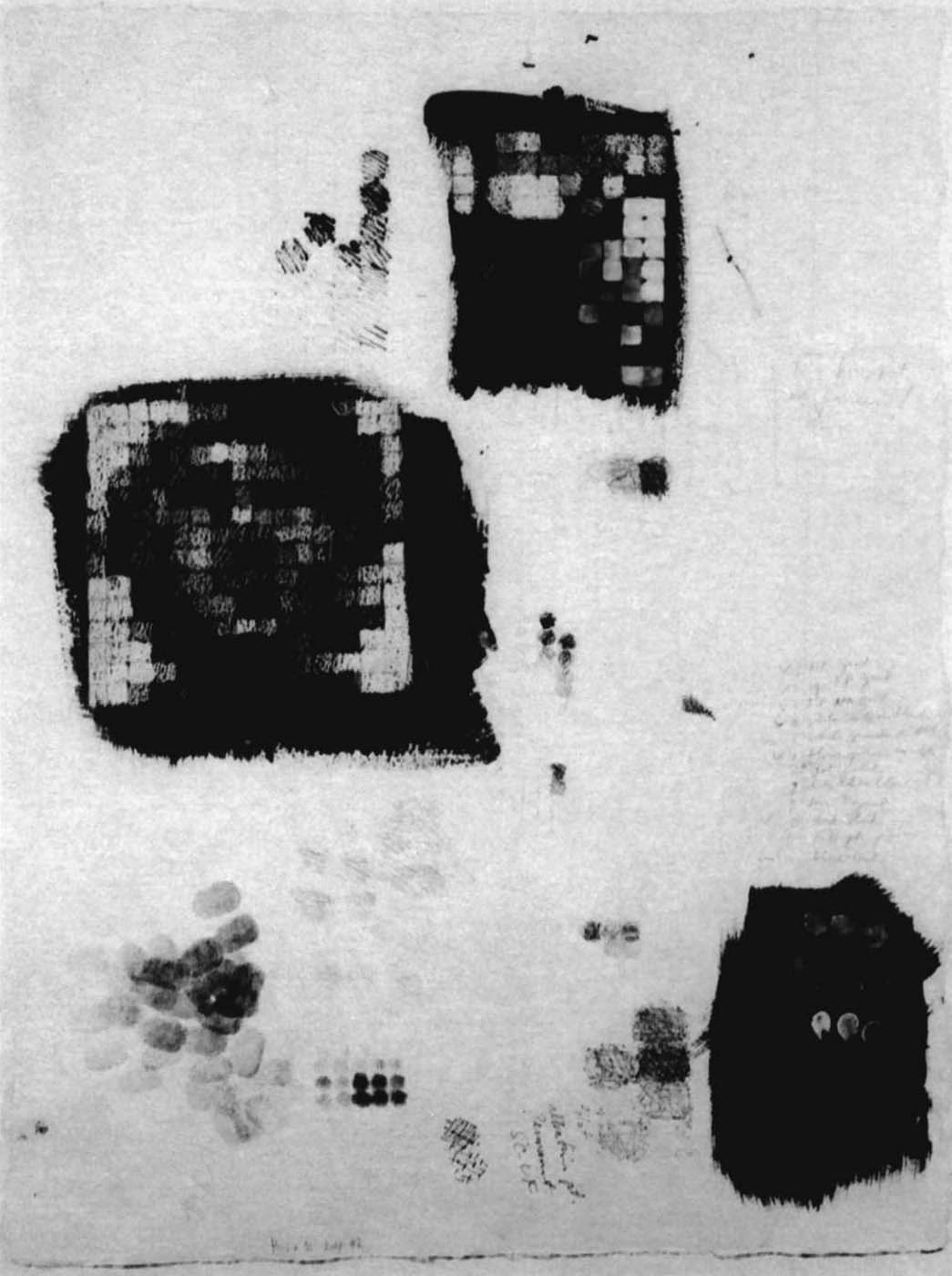
Untitled Studies, 1979
Stamp pad, ink, pencil, conte crayon,
and watercolor on paper
29 1/2" x 22"
Reynolda House Museum of American Art
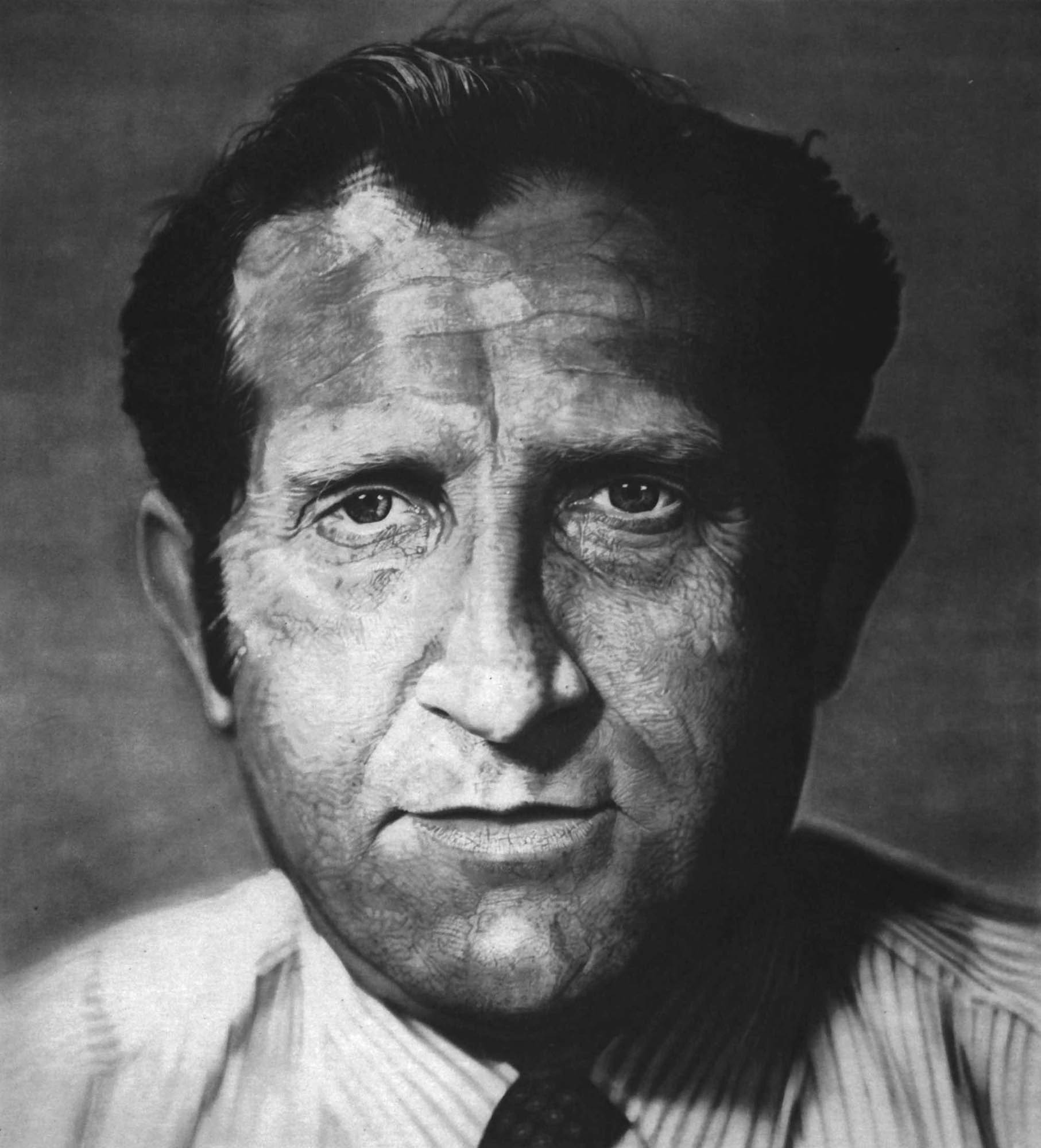
Nat, 1971
Acrylic on canvas
100" x 90"
Anita and Burton Reiner
Born in Monroe, Washington on 5 July 1940, Chuck Close enrolled at Yale in 1962 and earned his B.F.A. and M.F.A. degrees there in 1963 and 1964, respectively. Close’s initial one-man exhibition was held at the Art Gallery of the University of Massachusetts, Amherst in 1967. Since that time, significant exhibitions of his work have been hung at the Los Angeles County Museum of Art in 1971; Chicago’s Museum of Contemporary Art in 1972; the Projects Gallery of the Museum of Modern Art, New York in 1973; the San Francisco Museum of Art and the Minneapolis Institute of Art in 1975; the Baltimore Museum of Art in 1976; and the Georges Pompidou Centre of the Musée Nationale d’Art Moderne, Paris in 1979. New York’s Pace Gallery staged Close’s latest independent show in 1979.
William Conlon
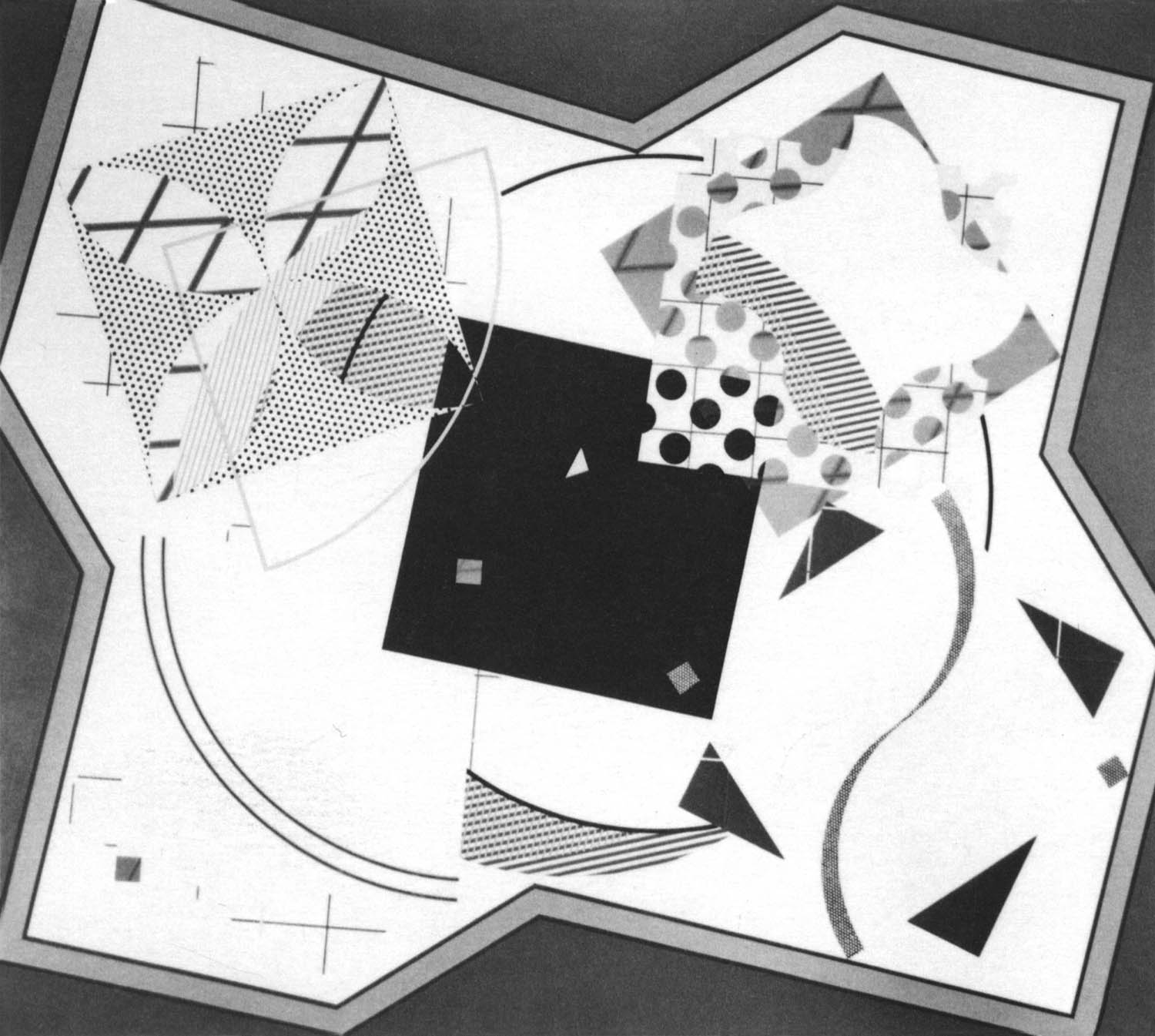
The Blues Brothers ‘Sam’, 1979
Acrylic on canvas
64" x 72"
American Telephone and Telegraph Company
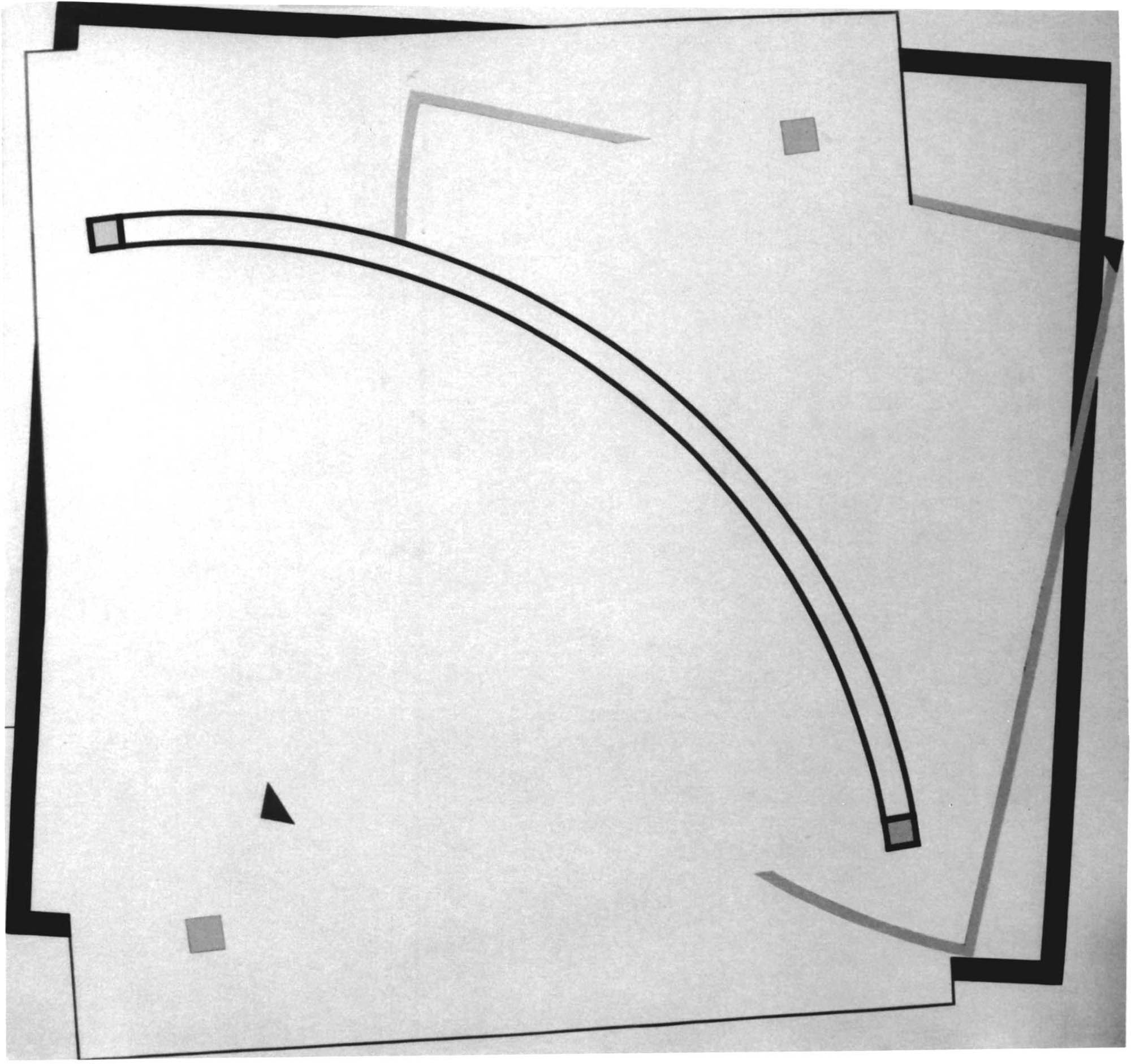
Einstein’s Waltz, 1974
Acrylic on canvas
90" x 96"
Courtesy of André Emmerich Gallery,
New York
William Conlon was born in Albany, New York in 1941. Enrolled at Yale from 1965 through 1967, he earned both his B.F.A. and M.F.A. degrees there. In 1970, the Reese Palley Gallery in New York organized Conlon’s first one-man exhibition. Subsequent individual exhibitions include his most recent one at New York’s André Emmerich Gallery in 1980.
Rackstraw Downes
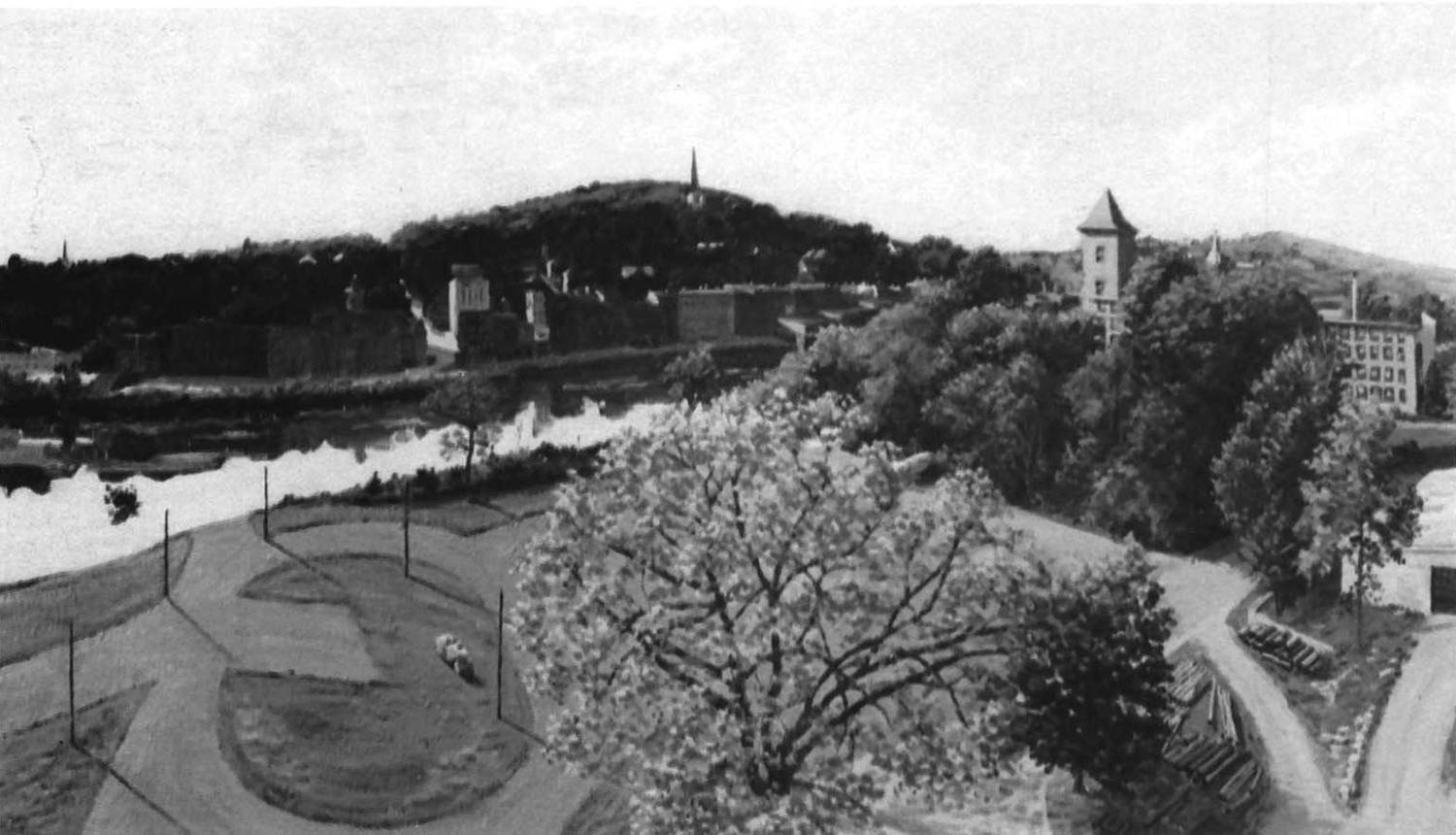
Augusta, Maine, from Memorial Bridge, 1973
Oil on canvas
19 1/2" x 35"
Mr. and Mrs. Joel I. Berson
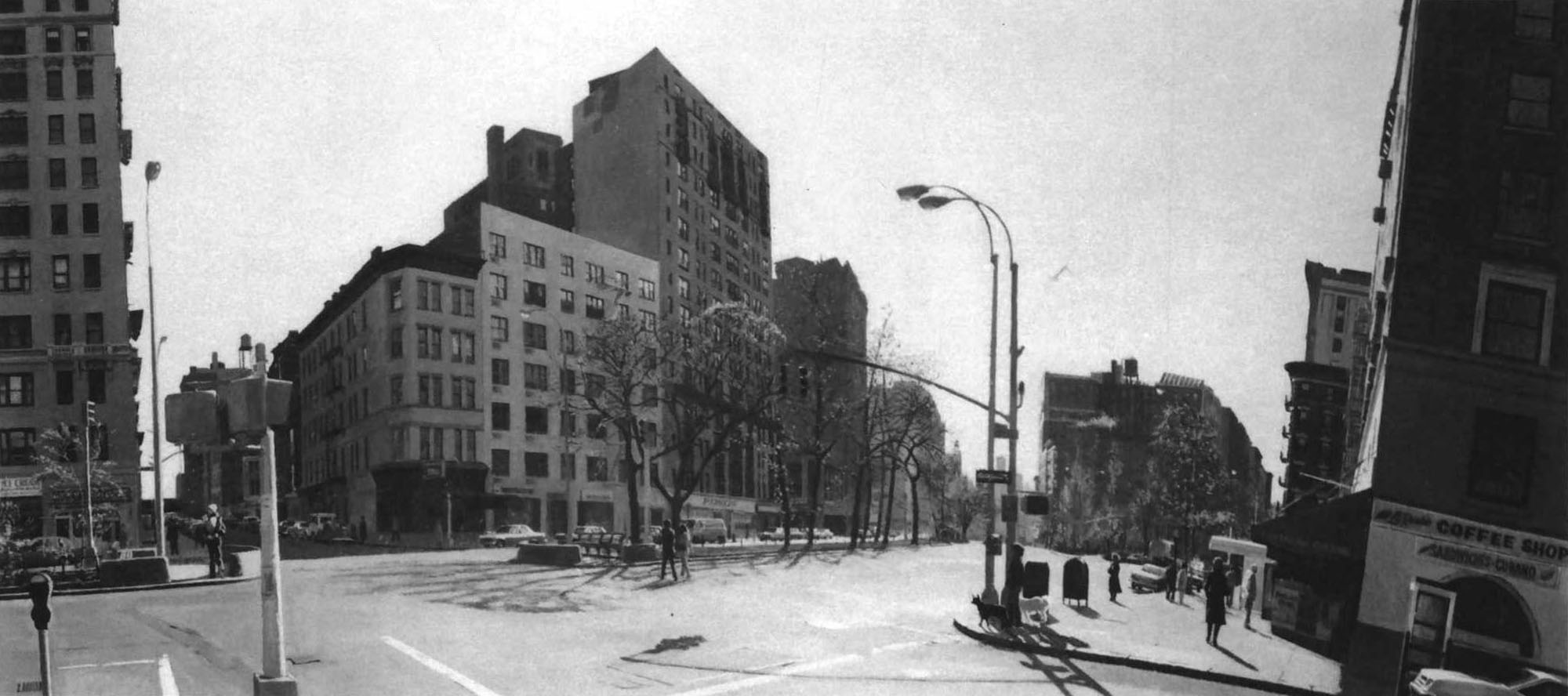
Broadway at 108th Street, 1978–79
Oil on canvas
20" x 45 1/2"
Kornblee Gallery
Born in England in 1939, Rackstraw Downes obtained an M.F.A. degree from Yale in 1964. His first one-man exhibition was held in 1969 at Swarthmore College in Pennsylvania. In addition to an individual exhibition in 1978 at the Swain School of Design in New Bedford, Massachusetts, Downes has exhibited frequently at the Kornblee Gallery in New York. His most recent show opened there in the fall of 1980.
Janet Fish
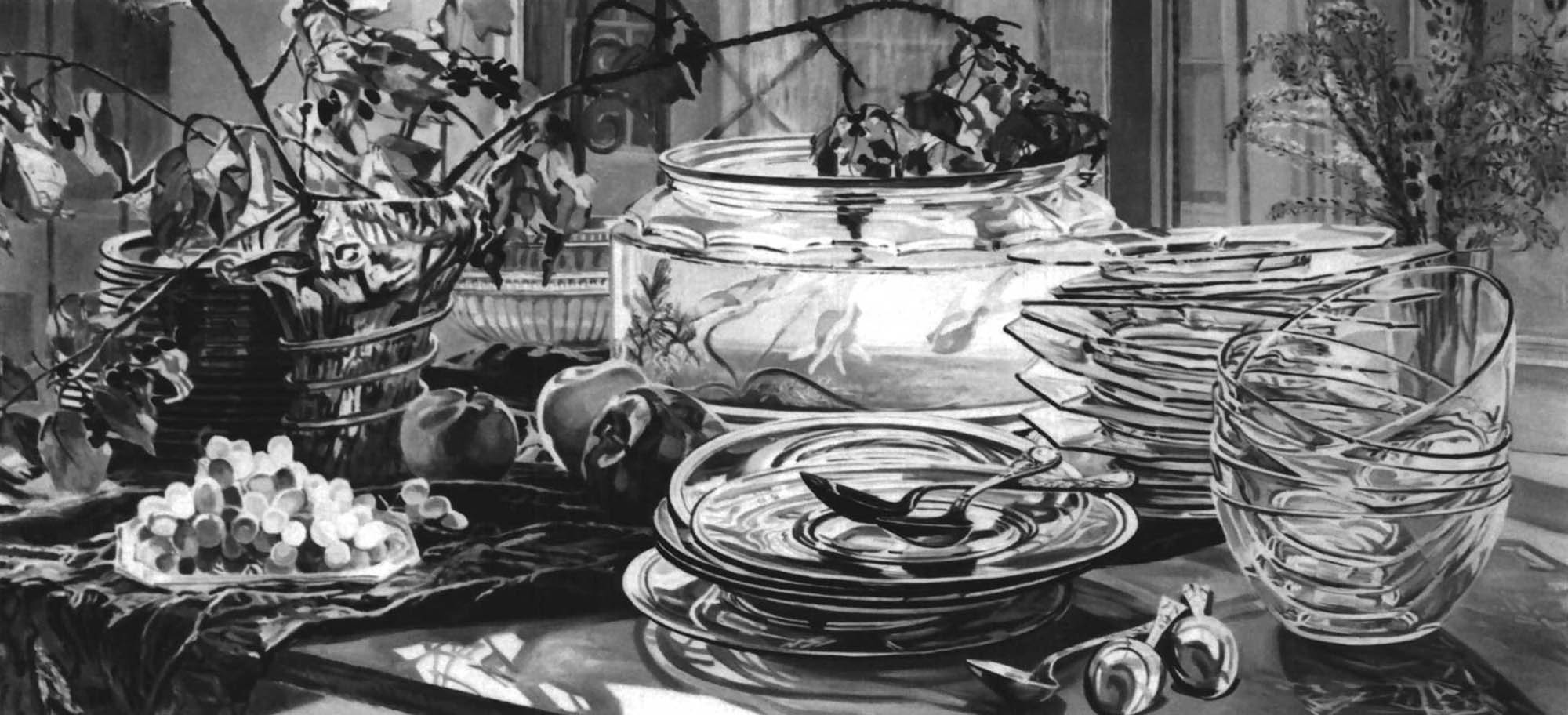
Goldfish and Autumn Leaves, 1979–80
Oil on canvas
42" x 92"
Courtesy Robert Miller Gallery, New York
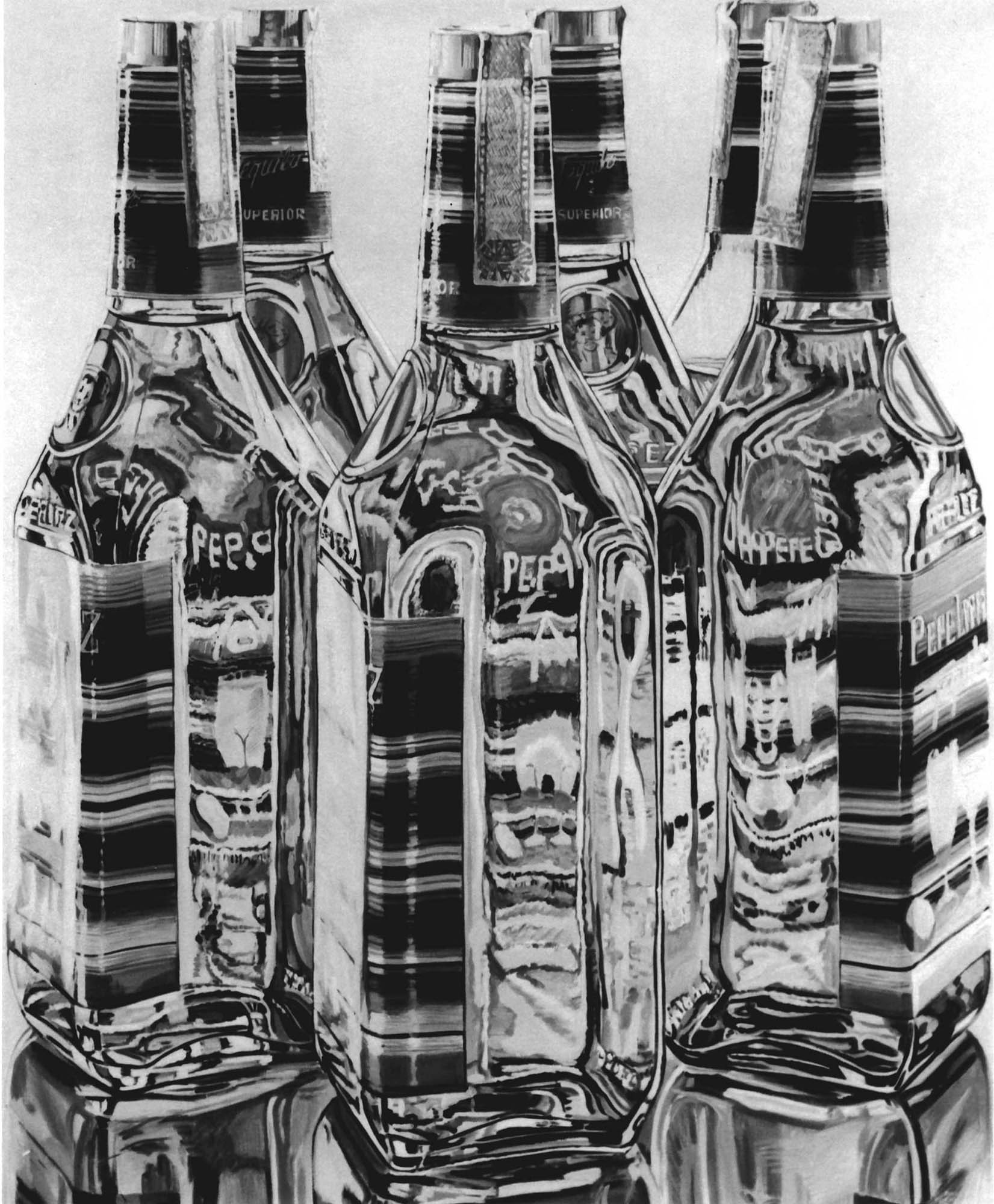
Tequila Bottles, 1974
Oil on canvas
66 3/16" x 54 3/8"
Private Collection
Born on 18 May 1938 in Boston, Janet Fish received an M.F.A. degree in 1963 from Yale, where she had previously earned a B.F.A. degree. Her first one-woman exhibition was held at Fairleigh Dickinson University in Madison, New Jersey in 1967. From 1967 through 1976 and from 1971 through 1976, Fish has had annual individual shows at the State University of New York at Stony Brook and at New York’s Kornblee Gallery, respectively. Her latest exhibition was held at New York’s Robert Miller Gallery in the winter of 1979.
Audrey Flack
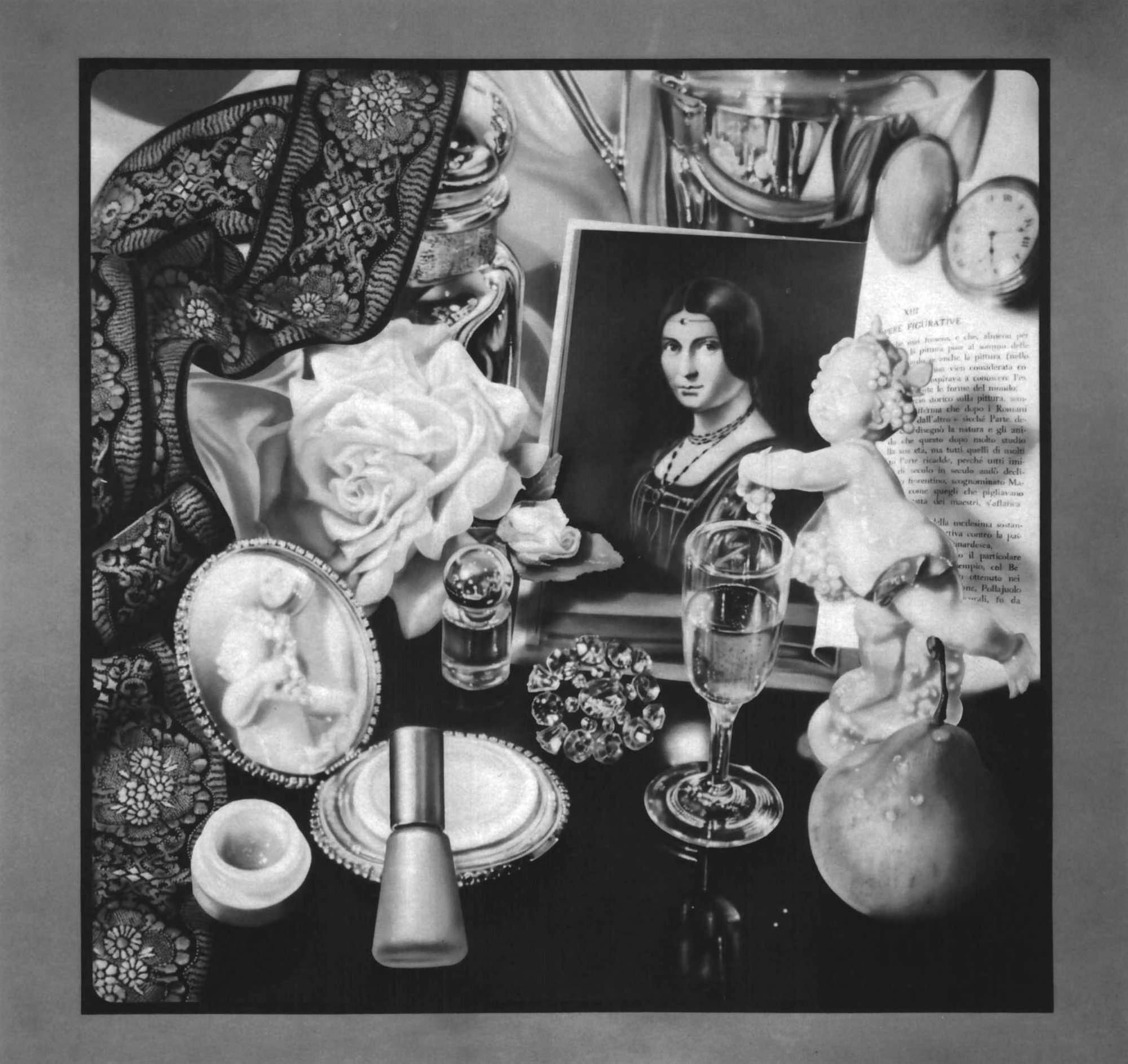
Leonardo’s Lady, 1974
Oil over synthetic polymer paint on canvas
74" x 80"
The Museum of Modern Art, New York,
Purchased with the aid of funds from
the National Endowment for the Arts
and an anonymous donor, 1975
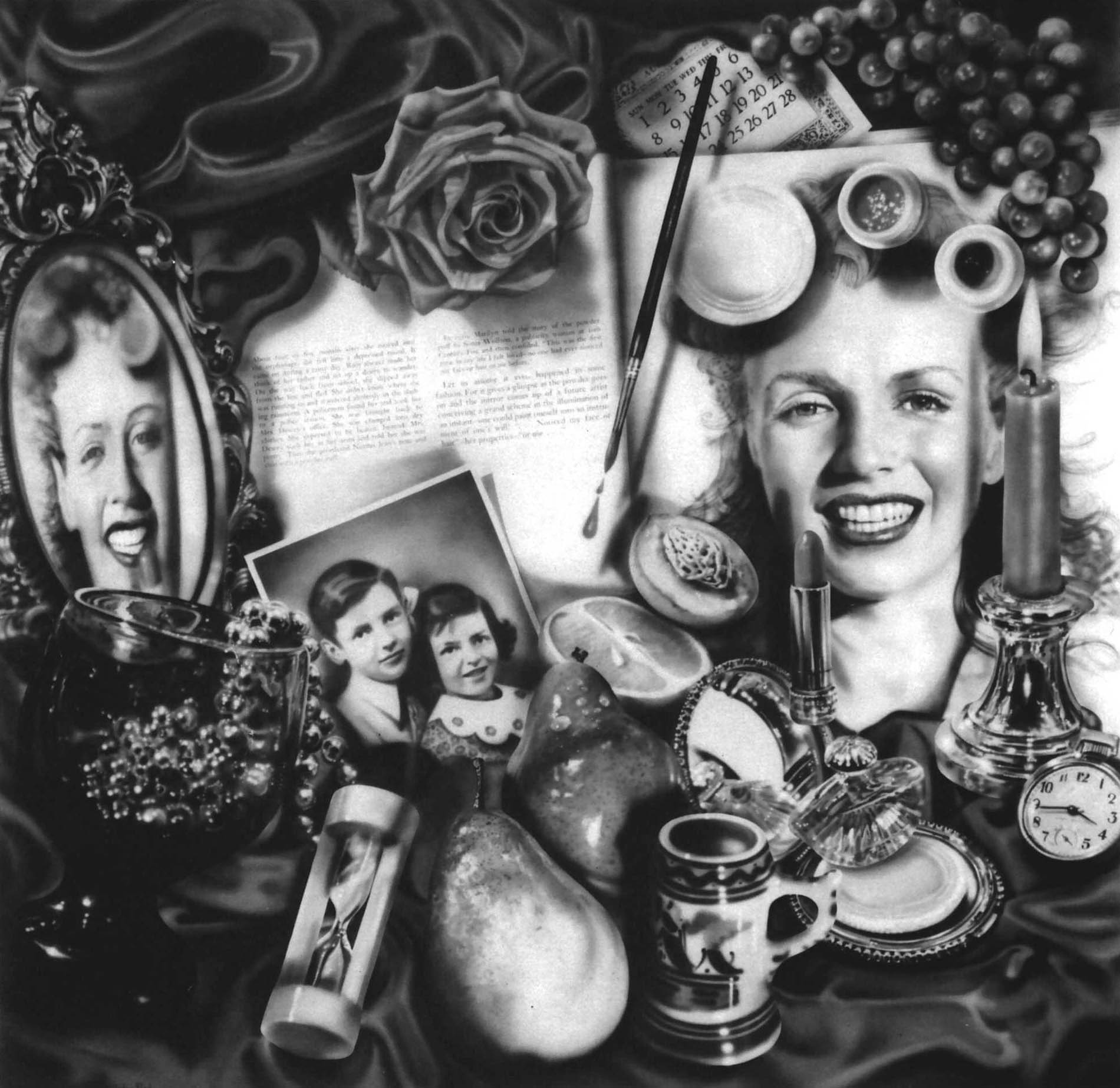
Marilyn, 1977
Oil and acrylic on canvas
96" x 96"
Courtesy of the Louis K. Meisel Gallery
Audrey Flack, who was born in New York City on 30 May 1931, earned a B.F.A. degree from Yale in 1952. Her initial one-woman exhibition took place in 1959 at the Roko Gallery in New York. Included in the Whitney Museum of American Art’s Art About Art exhibition in 1978, Flack has had numerous independent exhibitions, most importantly at the Louis K. Meisel Gallery in New York in 1976 and 1978.
Richard Friedberg
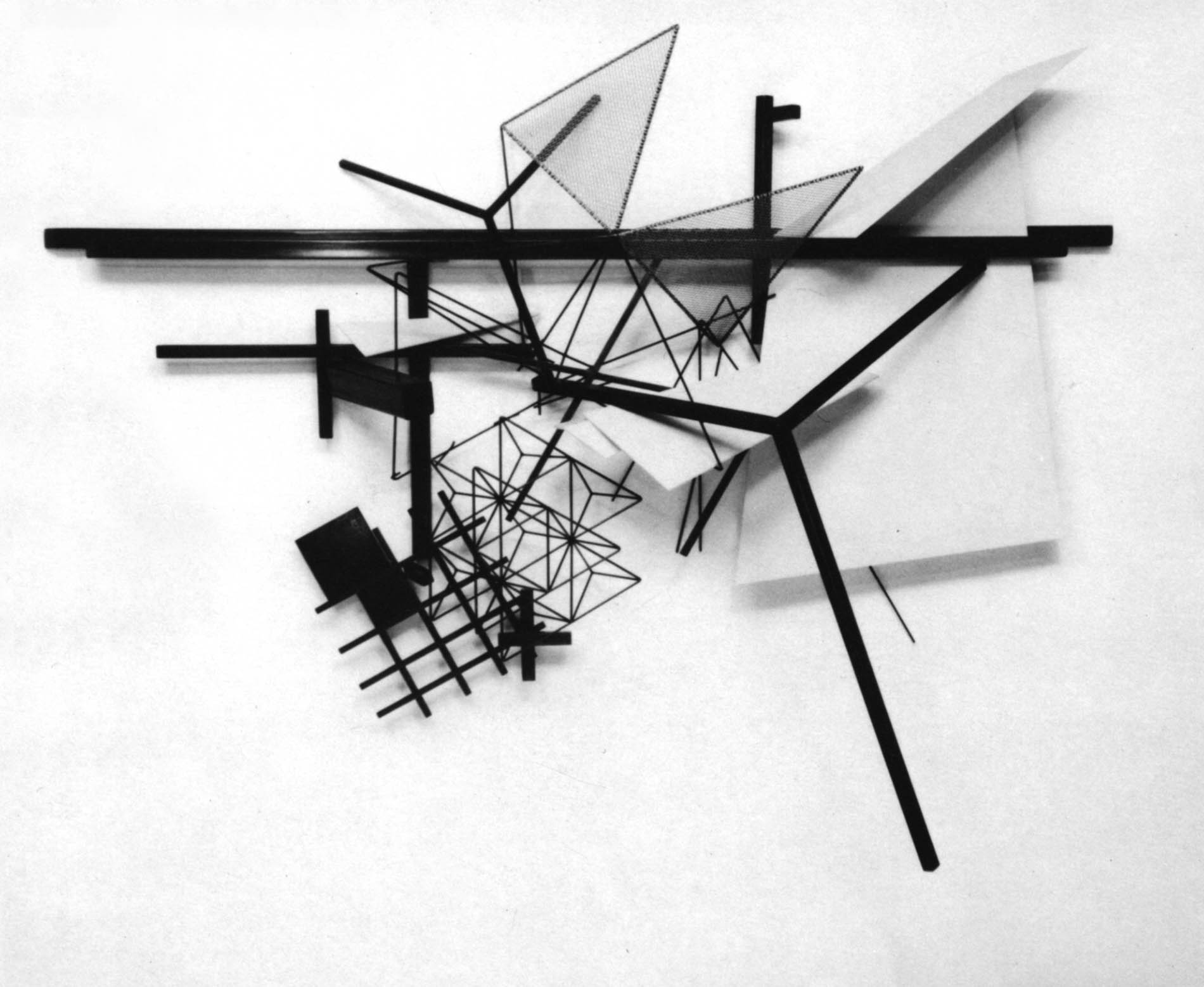
Teterboro, 1976–77
Steel
51" x 82" x 19"
Lent by the Artist
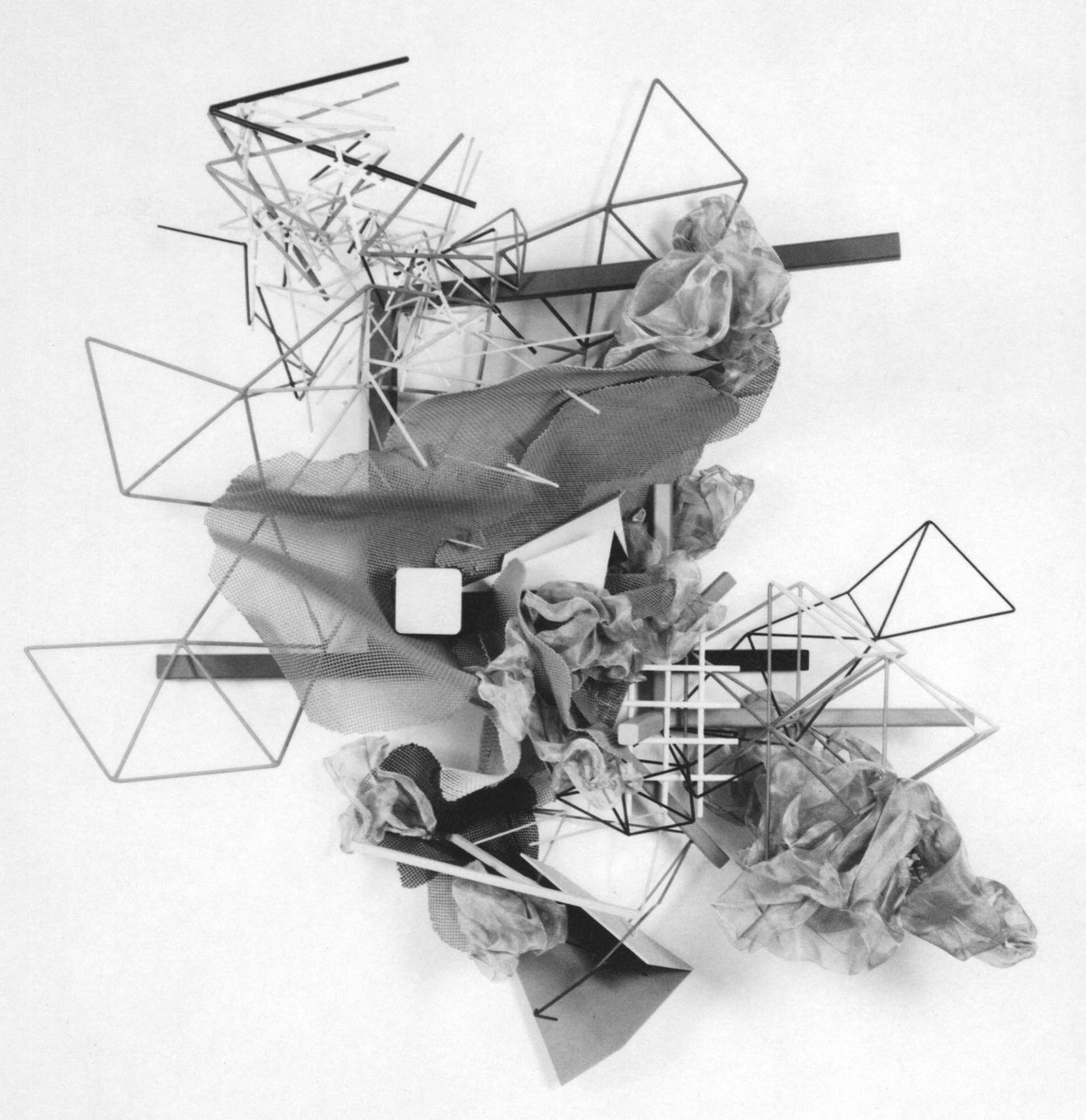
Downwind, 1980
Painted steel and aluminum
68" x 63" x 27"
Lent by the Artist
Richard Friedberg was born in Baltimore on 10 August 1943. He studied at Yale for both his B.F.A. and M.F.A. degrees, earning the latter in 1968. The following year, his first one-man exhibition was held at the Tibor de Nagy Gallery in New York. Friedberg’s most recent independent show took place in 1979 at Alexander F. Milliken Inc. in New York.
Nancy Graves
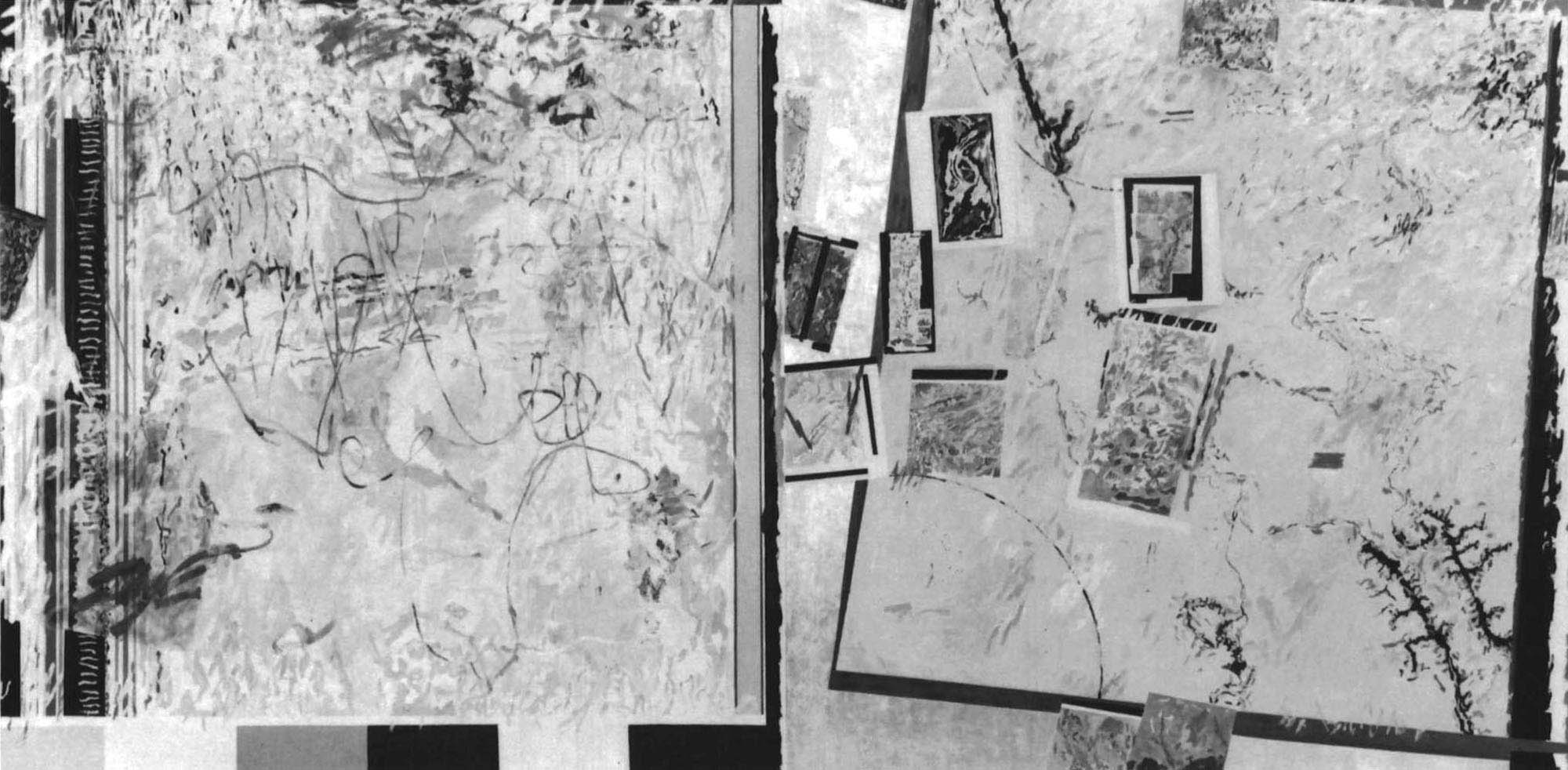
Librium, 1976
Acrylic, oil, gold leaf on canvas and masonite
60" x 120"
M. Knoedler & Co., New York
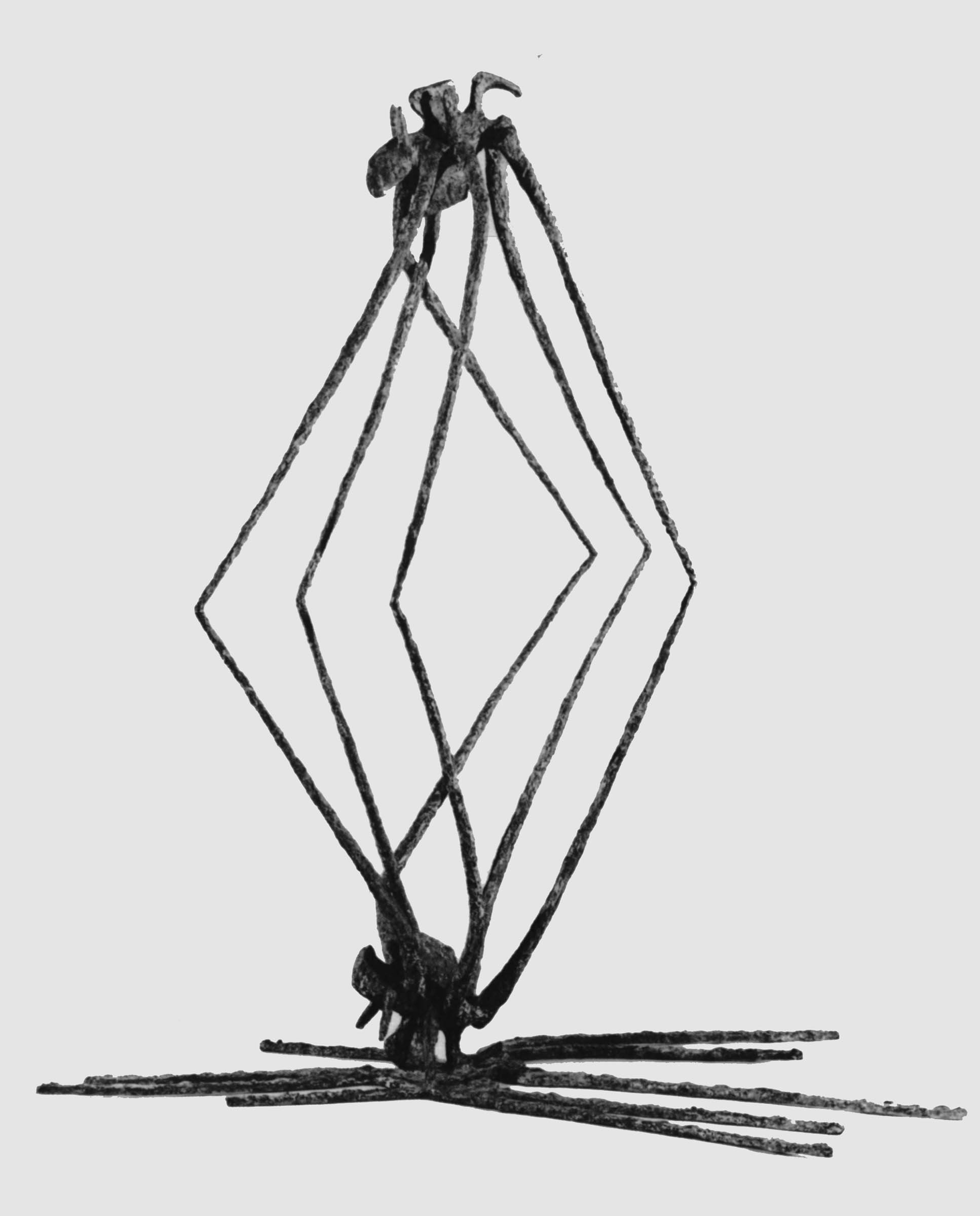
Shadow, Six Legs, 1978
Bronze
60 1/2" x 56" x 34"
Nancy Graves
Born in Pittsfield, Massachusetts on 23 December 1940, Nancy Graves earned an M.F.A. degree in 1964 from Yale, where she had also studied for her B.F.A. degree. Graves’s first one-woman exhibition was held at the Graham Gallery in New York in 1968. Her most significant individual exhibitions include those organized by the Whitney Museum of American Art in 1969; by the National Gallery of Canada in Ottawa, the Neue Gallerie der Stadt Aachen in West Germany and New York’s Museum of Modern Art, all in 1971; by the La Jolla Museum of Art in 1973; and by New York’s M. Knoedler & Co. in 1979. Most recently, Graves’s work has been shown in a travelling one-woman show which originated at the Albright-Knox Art Gallery in May of 1980.
Eva Hesse
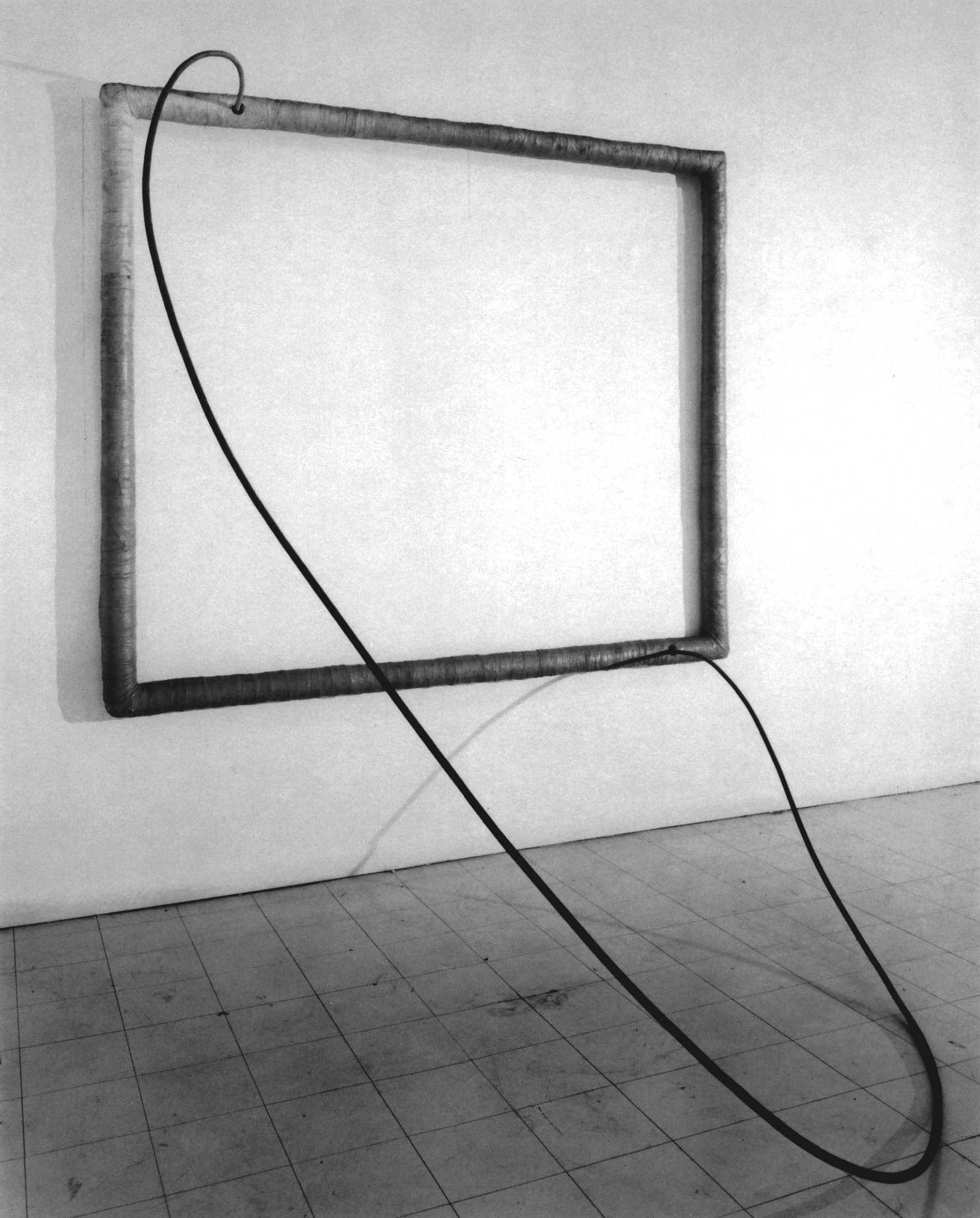
Hang-Up, 1966
Acrylic on cloth over wood and steel
72" x 84" x 78"
Collection of Mr. and Mrs. Victor W. Ganz
Born in Hamburg, Germany on 11 January 1936, Eva Hesse immigrated to New York City with her family in 1939. She earned a B.F.A. degree from Yale in 1959. In addition to her first one-woman exhibition at New York’s Allan Stone Gallery in 1963, significant exhibitions of her work include those at the Kunsthalle of the Kunstverein für die Rheinlande und Westfalen in Düsseldorf, West Germany in 1965 and at the Detroit Institute of Arts in 1972. Since Hesse’s death in New York on 29 May 1970, major travelling retrospectives of her work have been organized by the Solomon R. Guggenheim Museum in 1972; and by London’s Whitechapel Art Gallery in conjunction with the Rijksmuseum Kröller-Müller in Otterlo and the Kestner-Gesellschaft in Hannover in 1979.
Robert Mangold
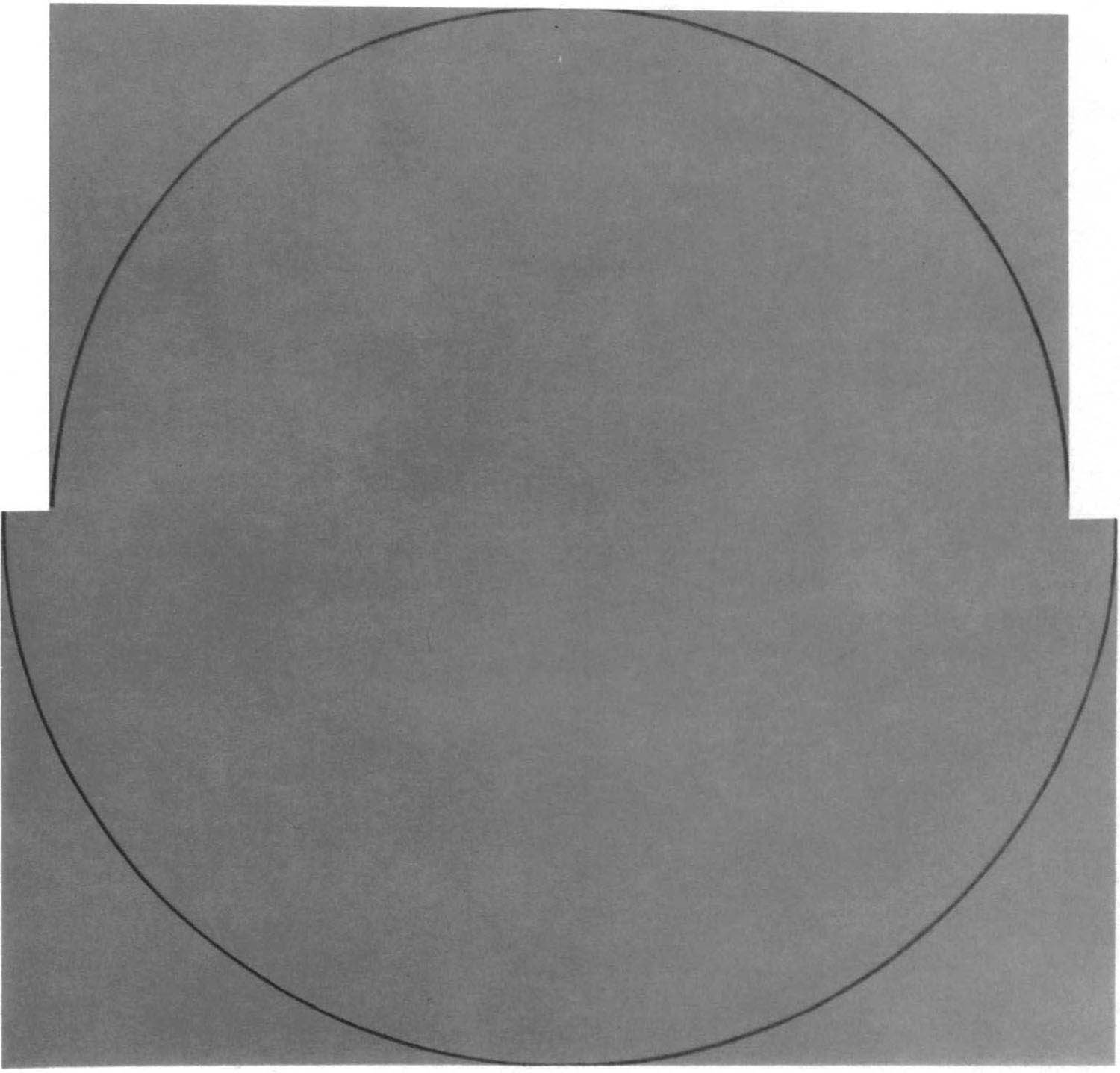
Untitled, 1973
Acrylic on canvas
72" x 72"
Richard Brown Baker
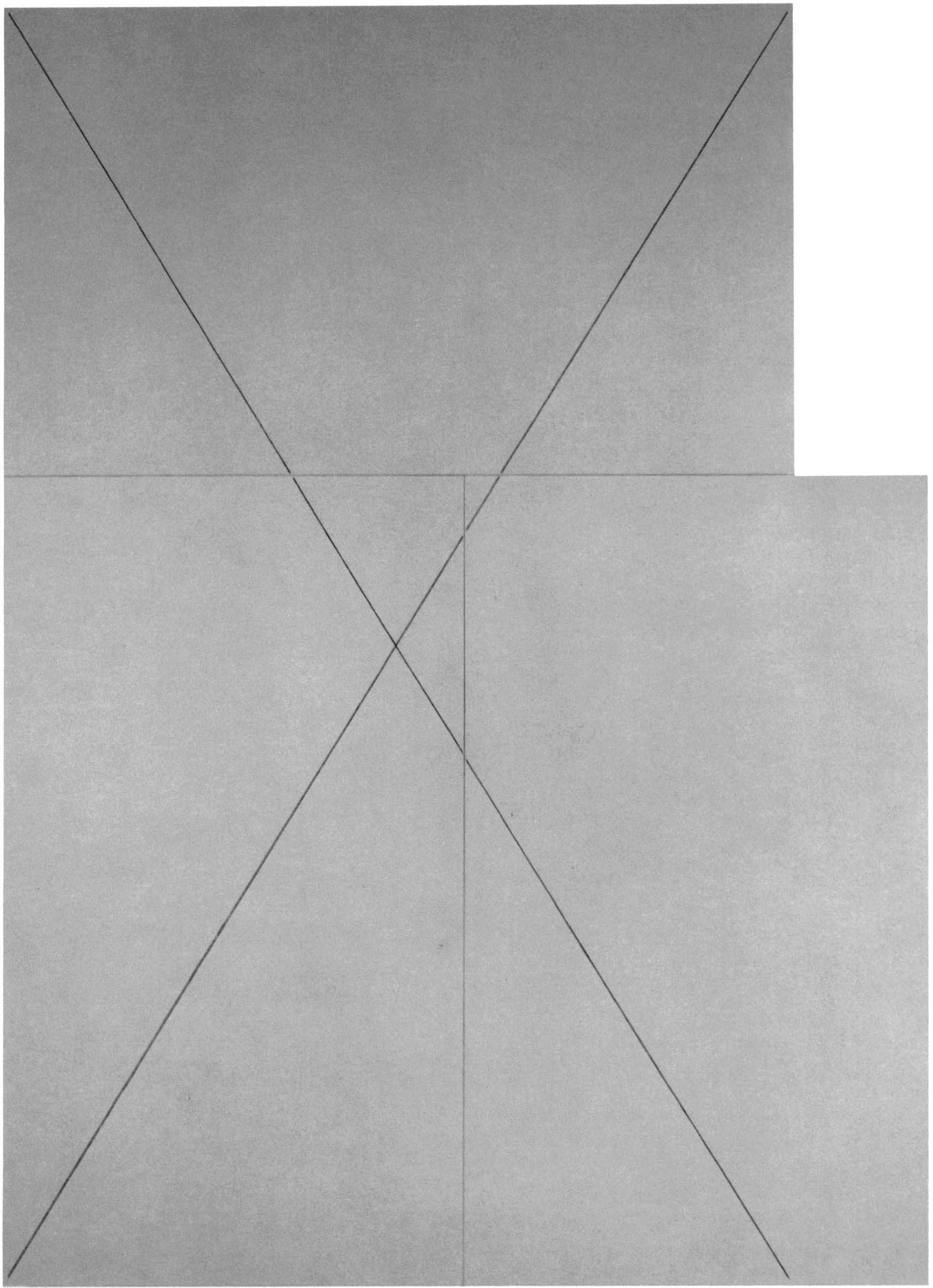
X Painting, 1979
Acrylic on canvas
114" x 84"
Collection of the Artist
Born in North Tonawanda, New York on 12 October 1937, Robert Mangold received both B.F.A. and M.F.A. degrees from Yale in 1961 and 1963, respectively. His first one-man exhibition was held in 1964 at the Thibaut Gallery in New York. Mangold has had important individual shows at the Solomon R. Guggenheim Museum in 1971; the La Jolla Museum of Contemporary Art in 1974; and the Kunsthalle Bielefeld in West Germany in 1980. His latest one-man show was held at the John Weber Gallery in New York in 1980.
Sylvia Plimack Mangold

Two Exact Rules and a Diminishing Floor Plane or Marginal Illusion (DKP 18), 1976
Acrylic on canvas
60" x 72"
Nancy and Martin Melzer
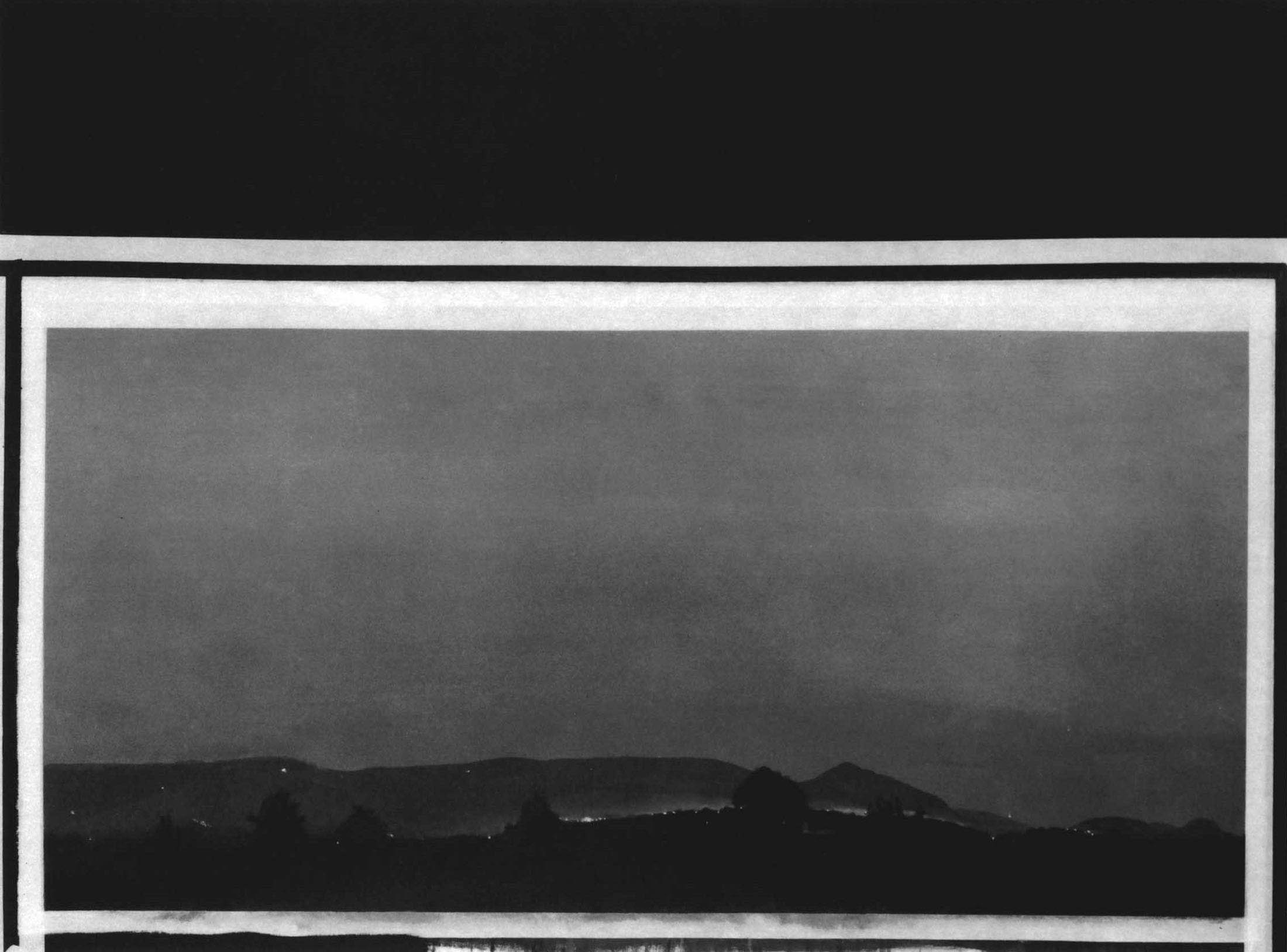
Schunnemunk Mountain (DKP 372), 1979
Oil on canvas
60" x 80"
Dallas Museum of Fine Arts,
Purchase with a Gift by the 500, Inc.
Born on 18 September 1938 in New York City, Sylvia Plimack Mangold earned a B.F.A. degree from Yale in 1961. Her first one-woman exhibition was held in 1974 at the Fischbach Gallery in New York. In addition to independent shows at the Droll/Kolbert Gallery there in 1978 and 1980, Mangold had her most recent exhibition at Ohio State University in 1980.
Brice Marden

Star (for Patti Smith), 1974–78
Oil and wax on canvas
68" x 45"
The Pace Gallery, New York
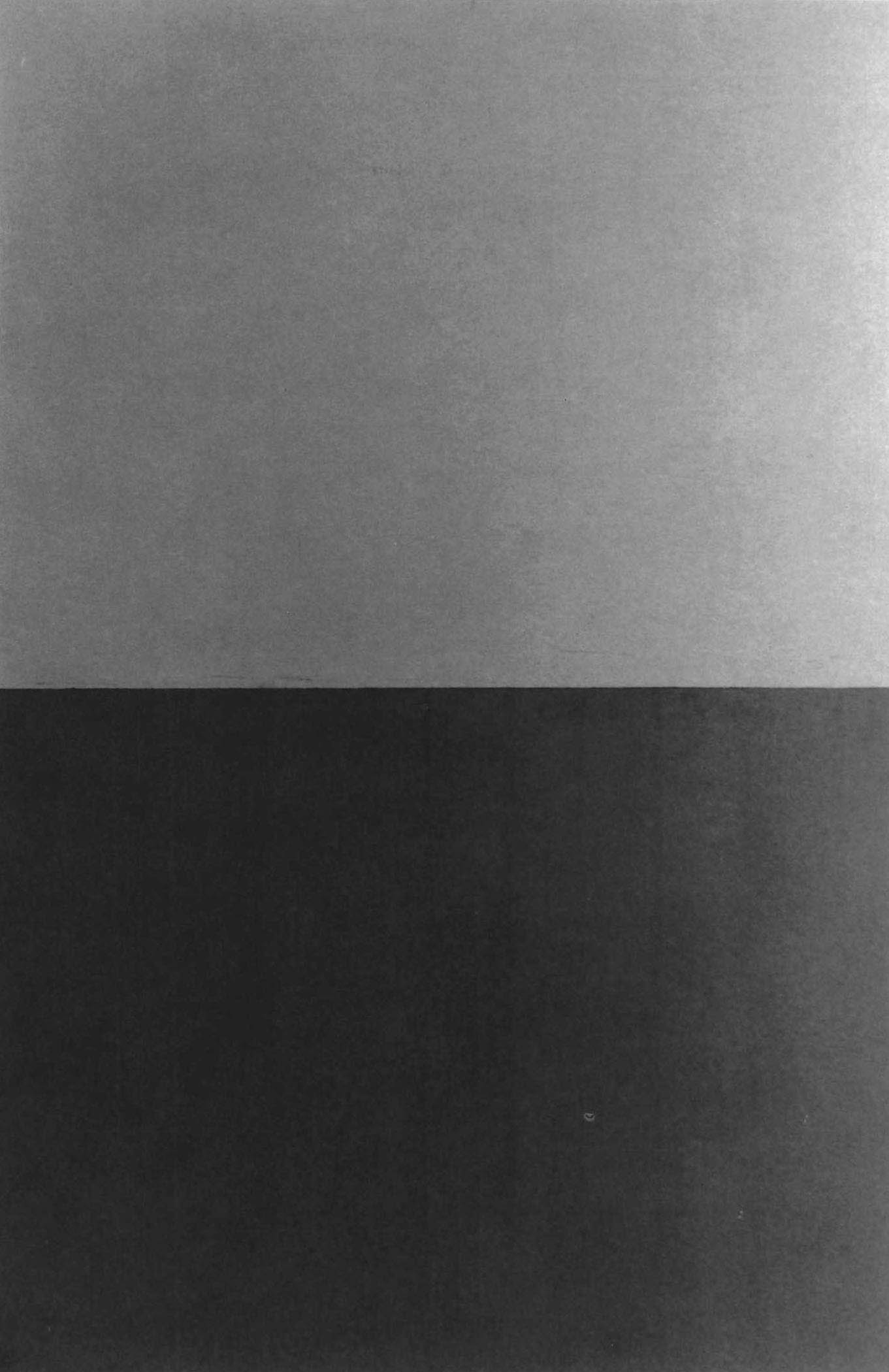
Helen’s Moroccan Painting, 1980
Oil and wax on canvas
68" x 45"
The Pace Gallery, New York
Born in Bronxville, New York on 15 October 1938, Brice Marden earned an M.F.A. degree from Yale in 1963. In December of 1963, his first one-man exhibition opened at the Wilcox Gallery, Swarthmore College. Major exhibitions of Marden’s work include a travelling show of his drawings which originated at Houston’s Contemporary Arts Museum in January of 1974; and exhibitions at the Solomon R. Guggenheim Museum in 1975 and at the Pace Gallery in 1978. His latest independent show was held at the Institut für moderne Kunst in Nürnberg, Germany in 1979–80.
Howardena Pindell
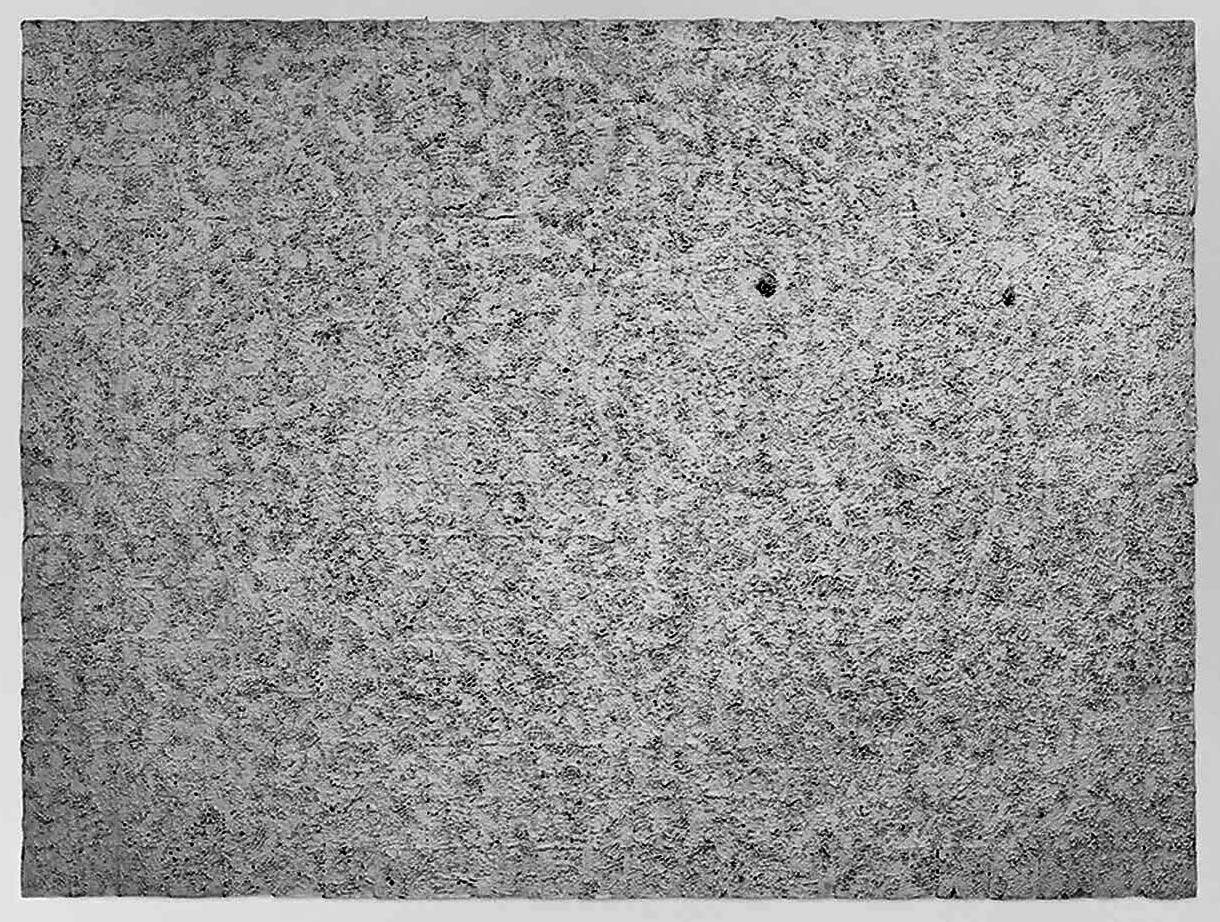
Untitled, 1980
Acrylic, dye, paper, sequins and glitter
on sewn canvas
122" x 78"
Lent by the Artist
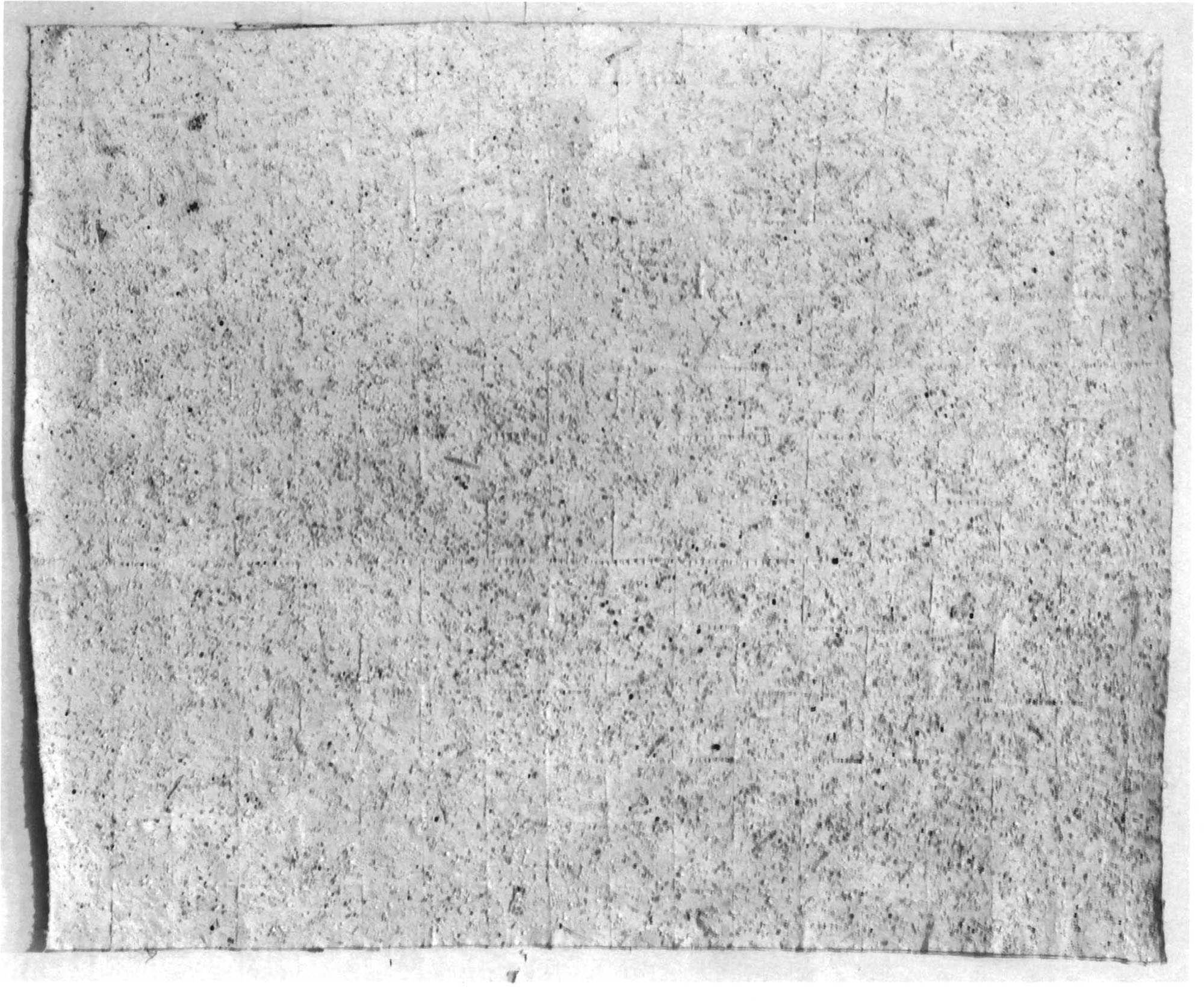
Untitled, 1976–77
Acrylic, dye, paper, sequins and glitter
on interwoven and sewn canvas
93" x 121"
Lent by the Artist
Born in Philadelphia on 14 April 1943, Howardena Pindell earned an M.F.A. degree from Yale in 1967. Her first one-woman exhibition was held in 1972 at Spelman College’s Rockefeller Memorial Gallery in Atlanta, Georgia. Subsequent individual shows include those at the A.I.R. Gallery in New York in 1973; the Sonja Henie Onstad Foundation in Oslo, Norway in 1976; the Kunst Foreningen, Copenhagen in 1977; the Cincinnati Art Academy in 1978; and the Lerner-Heller Gallery in New York in 1980. Pindell’s work is currently being shown in a one-woman exhibition at the David Heath Gallery in Atlanta, Georgia.
Stephen Posen
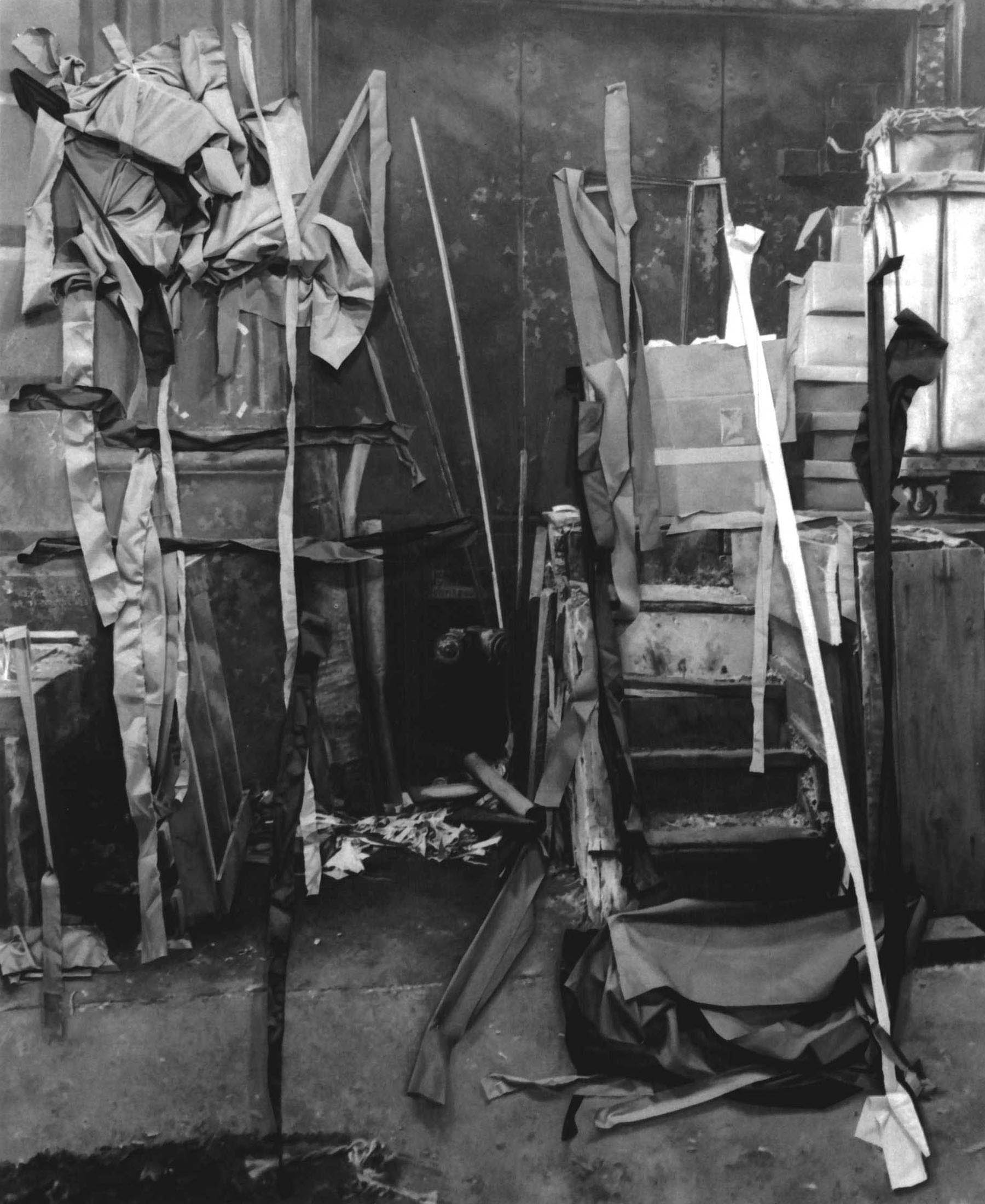
Untitled, 1975
Oil on canvas
85" x 68"
Private Collection
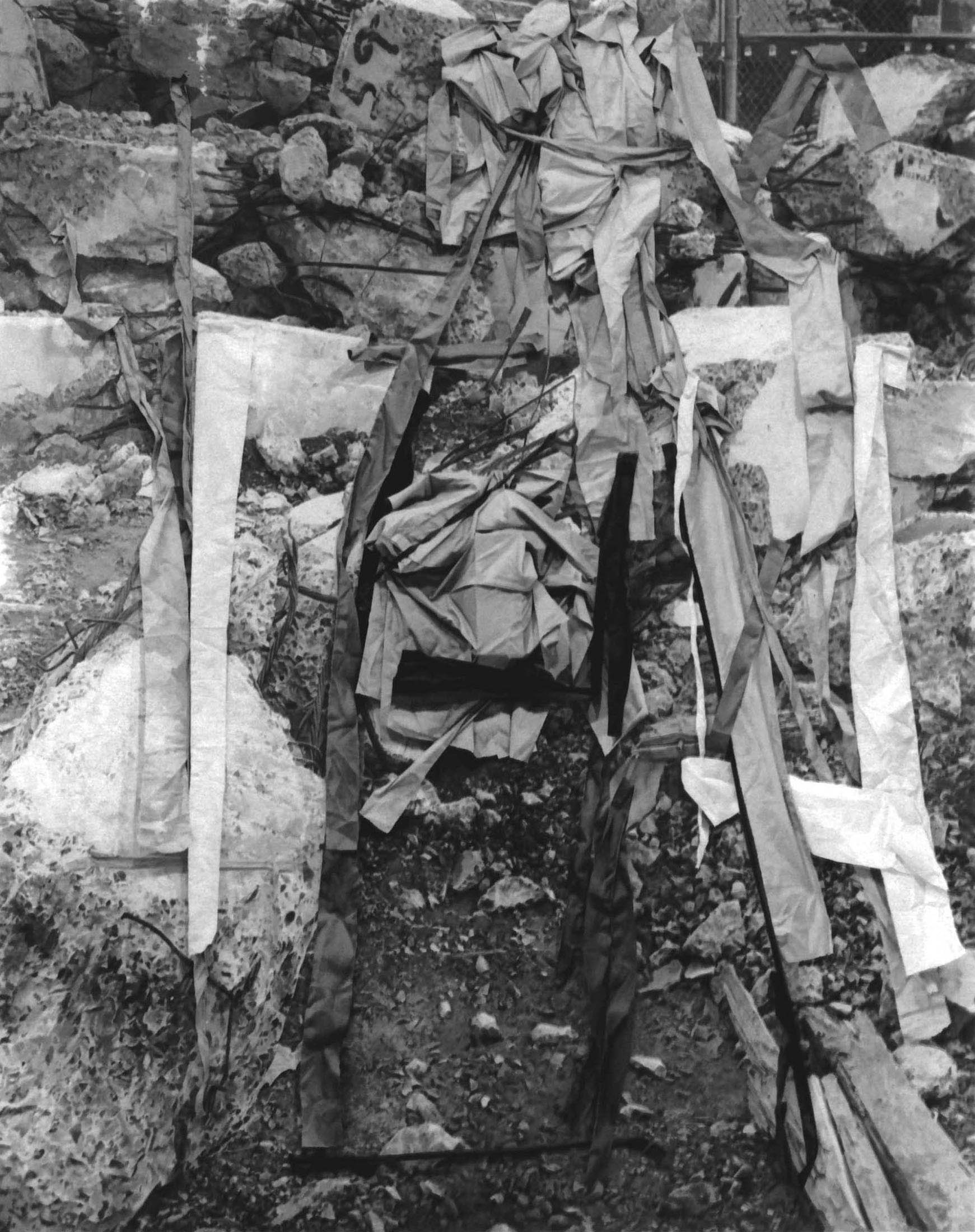
Variations on a Millstone, 1976
Oil on canvas
86 1/2" x 68 1/2"
Courtesy of the Pennsylvania Academy
of the Fine Arts
Born in St. Louis on 27 September 1939, Stephen Posen earned an M.F.A. degree from Yale in 1964. His first one-man exhibition was held in 1971 at the O.K. Harris Gallery in New York. Most recently, the Robert Miller Gallery organized an exhibition of Posen’s work in 1978.
Richard Serra
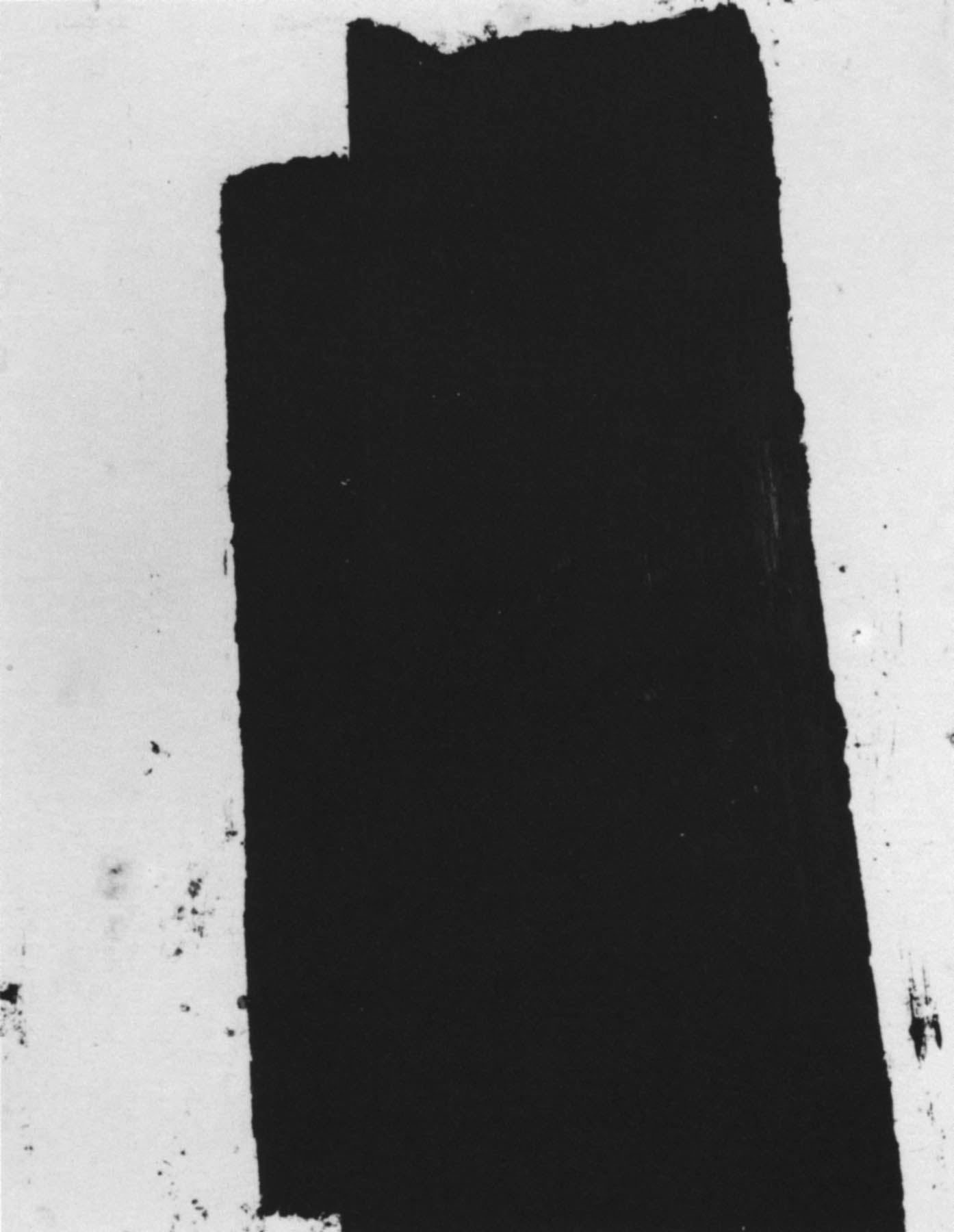
7WU #8, 1980
Paintstick on paper
52 1/2" x 40 1/2"
Leo Castelli Gallery
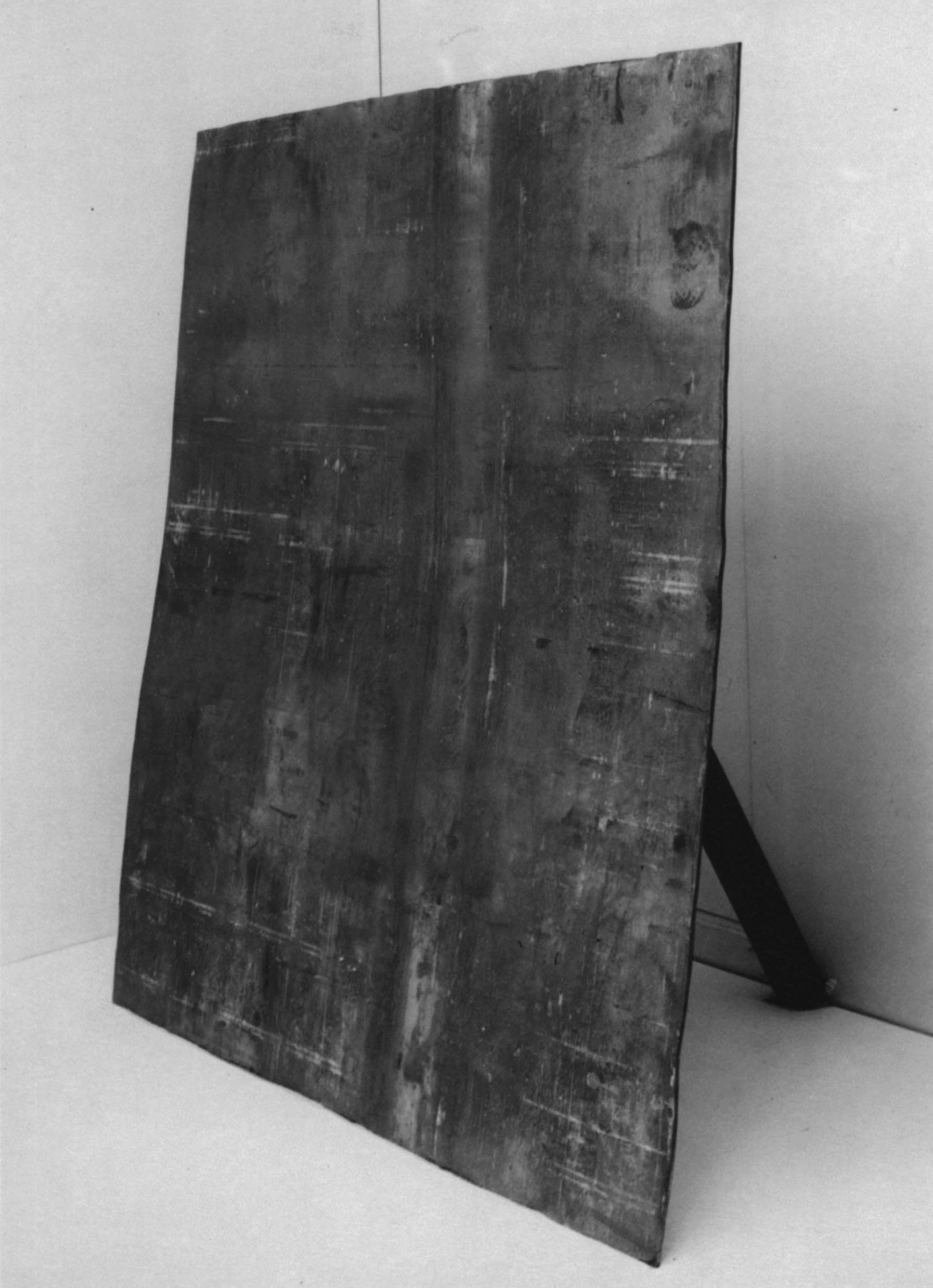
Sign Board Prop, 1969–1980
Lead antimony
64" x 64" x 42"
Leo Castelli Gallery
Richard Serra was born on 2 November 1939 in San Francisco and earned an M.F.A. degree from Yale in 1964. Two years later, his first independent exhibition was held at the Galleria La Salita in Rome, where Serra had travelled on a Fulbright Grant. His most significant one-man exhibitions include those arranged by the Pasadena Art Museum in 1970; the School of Visual Arts in New York in 1974; the Stedelijk Museum in Amsterdam, in conjunction with the Kunsthalle Tübingen and the Kunsthalle Baden-Baden in 1977–78; and the Museum Boymans-van Beuningen in Rotterdam in 1980. Serra’s most recent independent show opened in the fall of 1980 at The Hudson River Museum in Yonkers, New York.
Robert Slutzky
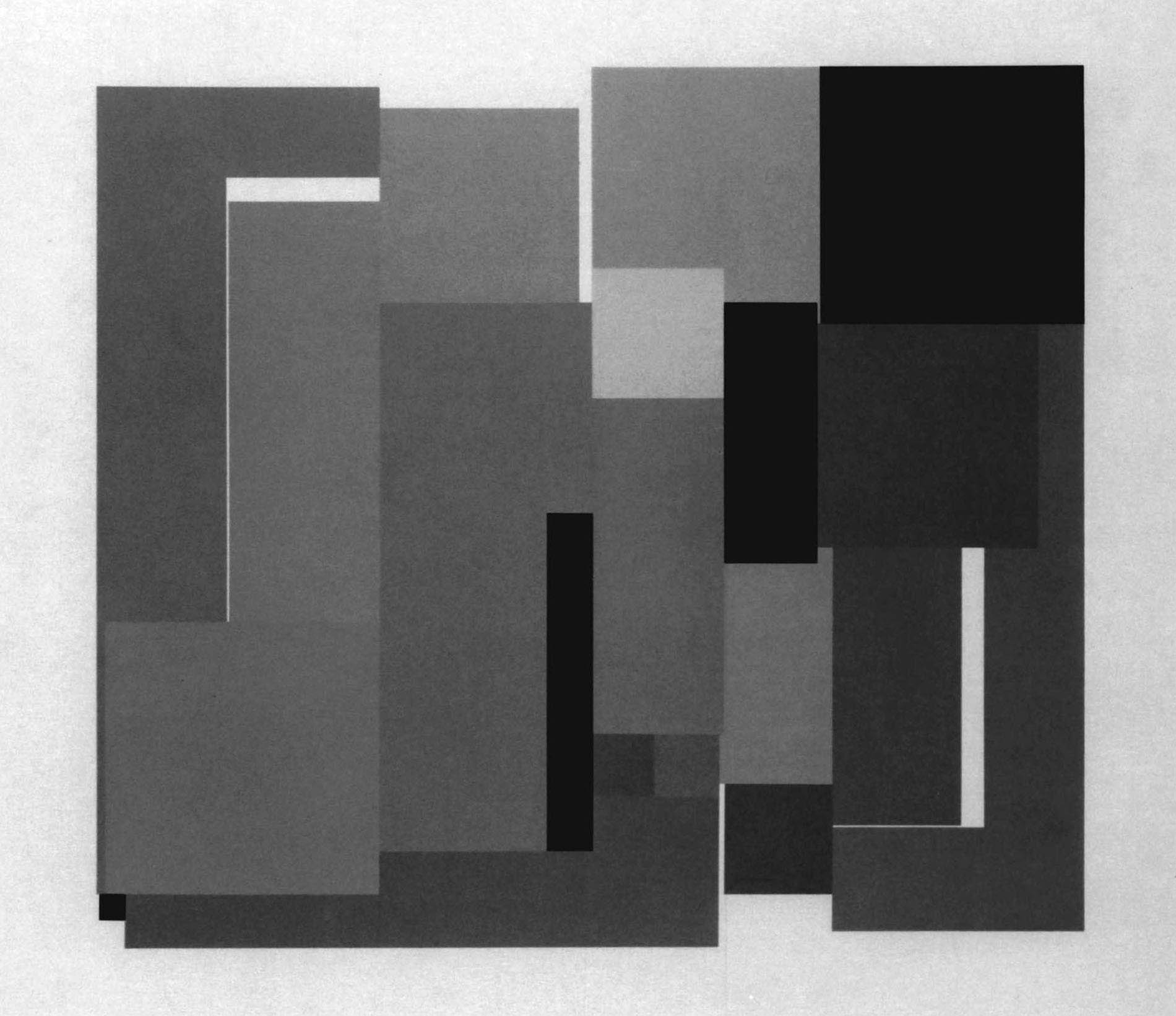
Trias, 1974–75
Acrylic on canvas
70" x 80"
Collection of the Artist
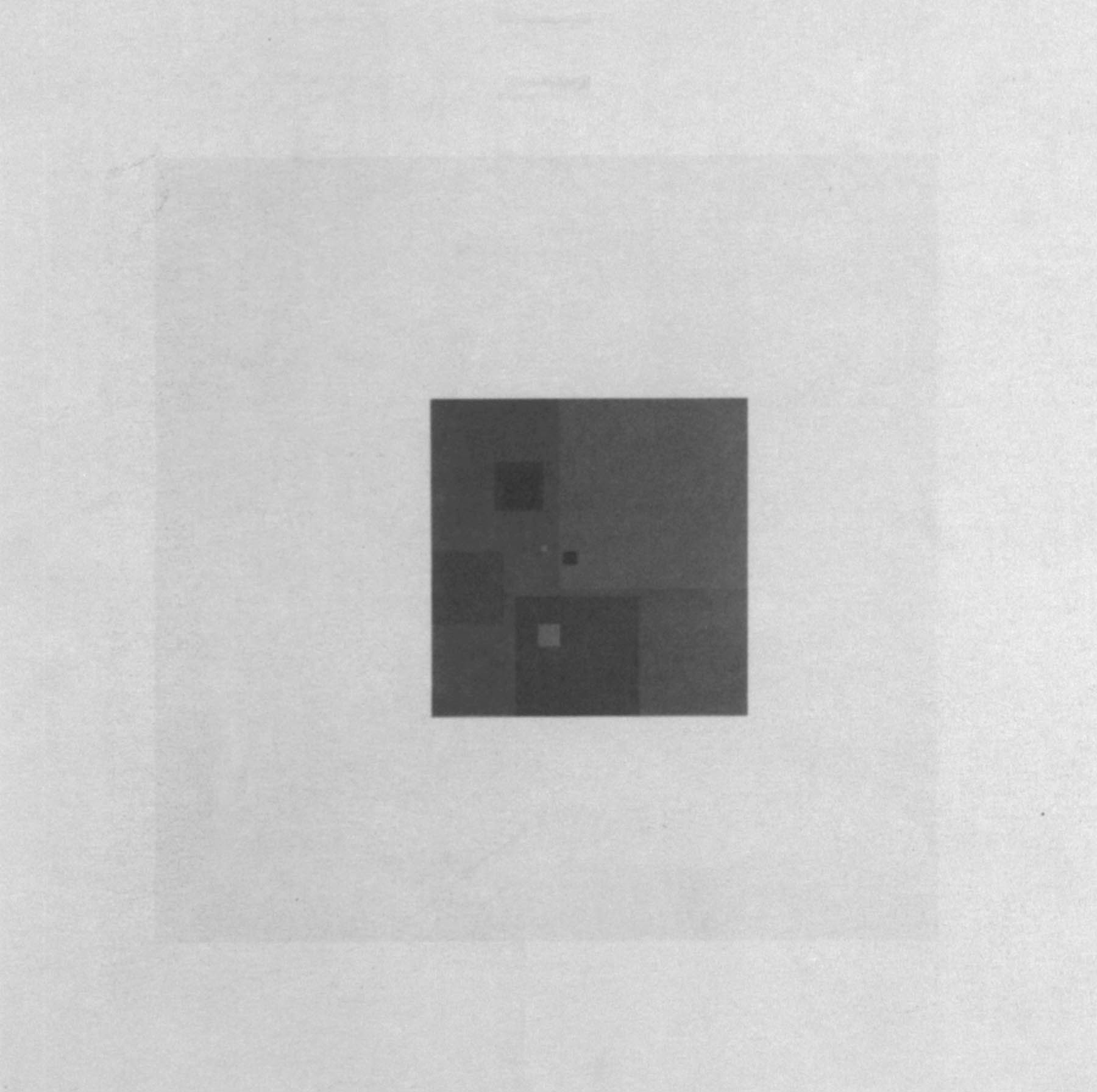
Venice, 1978–79
Acrylic on canvas
70" x 70"
Collection of the Artist
Robert Slutzky was born in Brooklyn on 27 November 1929 and earned an M.F.A. degree from Yale in 1954. In 1972, his first one-man exhibition was arranged by the Bertha Schaefer Gallery. In addition to several retrospectives, the most recent of which was shown at the Montclair Art Museum in 1978, Slutzky had his latest one-man exhibition at San Francisco’s Modernism Gallery in 1980.
Neil Welliver
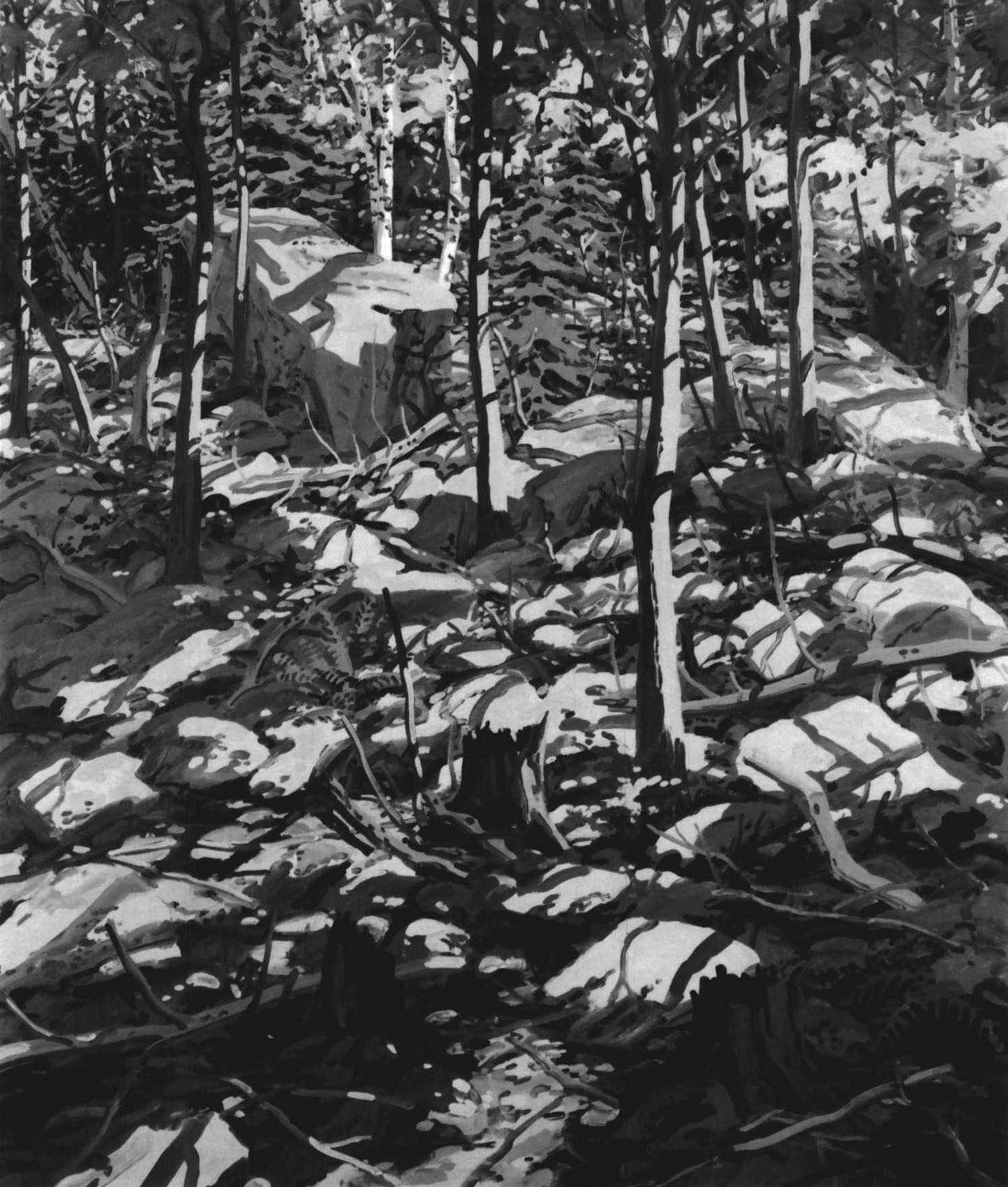
Gould’s Hill, 1972
Oil on canvas
72" x 60"
Museum of Fine Arts, Boston
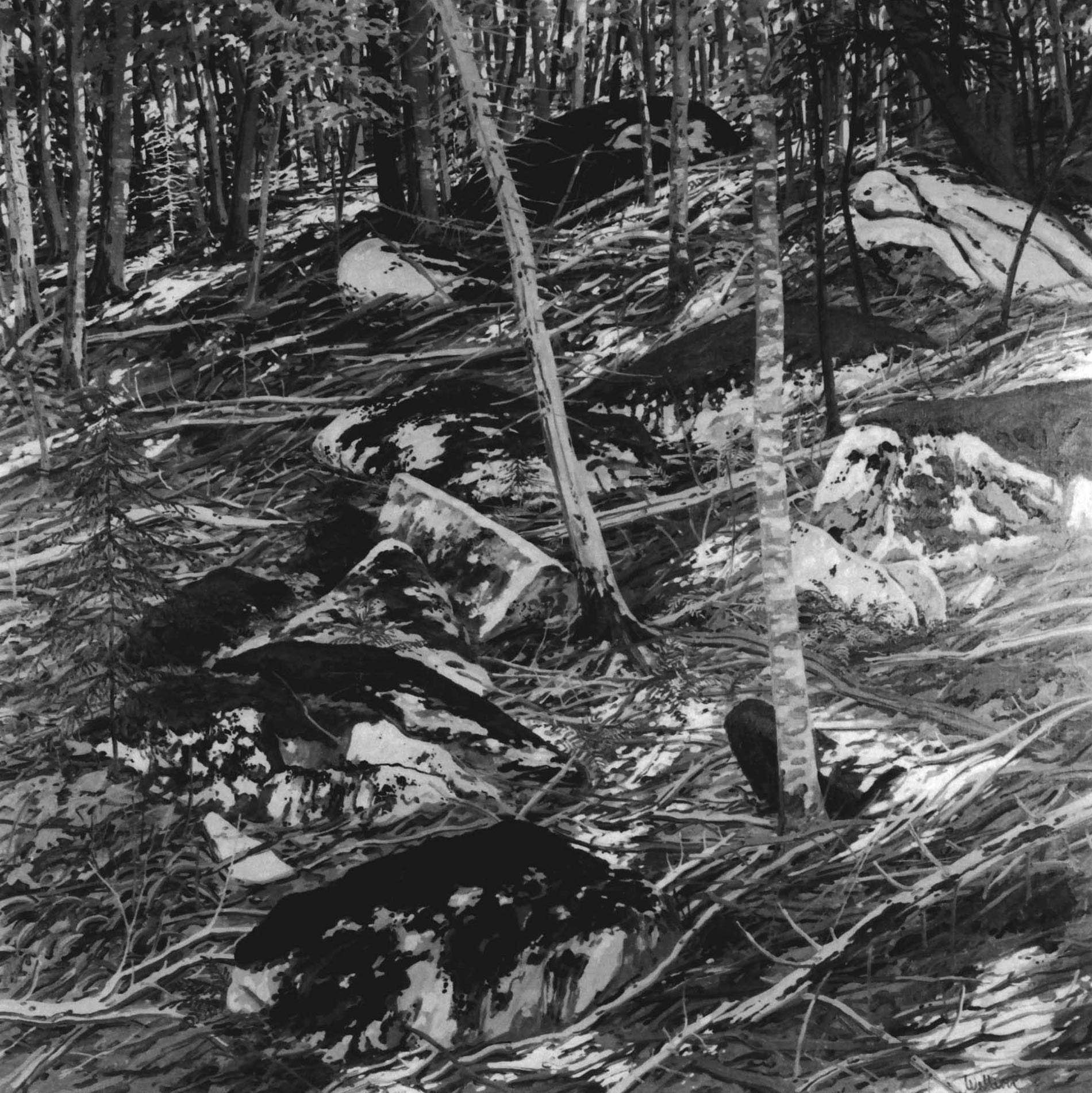
Late Light, 1978
Oil on canvas
96" x 96"
The Herbert W. Plimpton Collection
on extended loan to the Rose Art Museum,
Brandeis University
Neil Welliver was born in Millville, Pennsylvania on 22 July 1929. In 1954, the same year that he earned an M.F.A. degree from Yale, his first one-man exhibition was held at the Alexandra Grotto in Philadelphia. Subsequent individual exhibitions include those at the University of Rhode Island in 1974 and at Brooke Alexander, Inc. in New York in 1978. The Fischbach Gallery in New York organized Welliver’s latest one-man show in 1979.
Catalogue
Photo credits
- David Allison 53
- Jacob Burckhardt 49
- Geoffrey Clements 26, 27, 28, 29
- Beran Davies 56
- D. James Dee 58, 59
- Eeva-inkeri 25, 35, 36, 37
- Leslie Harris 48
- Bruce C. Jones 39
- Bayat Keerl 33
- M. Knoedler & Co., Inc. 41, 43
- Kornblee Gallery 34
- Alexander F. Milliken, Inc. 40
- Peter Moore 57
- Museum of Fine Arts, Boston 60
- Museum of Modern Art, New York 38
- O. E. Nelson 23
- The Pace Gallery, New York 50, 51
- Pennsylvania Academy of the Fine Arts 55
- Eric Pollitzer 54
- Nathan Rabin 31
- Reynolda House Museum of American Art 30
- Rose Art Museum, Brandeis University 61
- Walter Russell 46
- St. Louis Art Museum 24
- Steven Sloman 42
- Bettina Sulzer 32
- Joseph Szaszfai 45
- Young Hoffman Gallery 47